- English
- Español
- Português
- русский
- Français
- 日本語
- Deutsch
- tiếng Việt
- Italiano
- Nederlands
- ภาษาไทย
- Polski
- 한국어
- Svenska
- magyar
- Malay
- বাংলা ভাষার
- Dansk
- Suomi
- हिन्दी
- Pilipino
- Türkçe
- Gaeilge
- العربية
- Indonesia
- Norsk
- تمل
- český
- ελληνικά
- український
- Javanese
- فارسی
- தமிழ்
- తెలుగు
- नेपाली
- Burmese
- български
- ລາວ
- Latine
- Қазақша
- Euskal
- Azərbaycan
- Slovenský jazyk
- Македонски
- Lietuvos
- Eesti Keel
- Română
- Slovenski
- मराठी
- Srpski језик
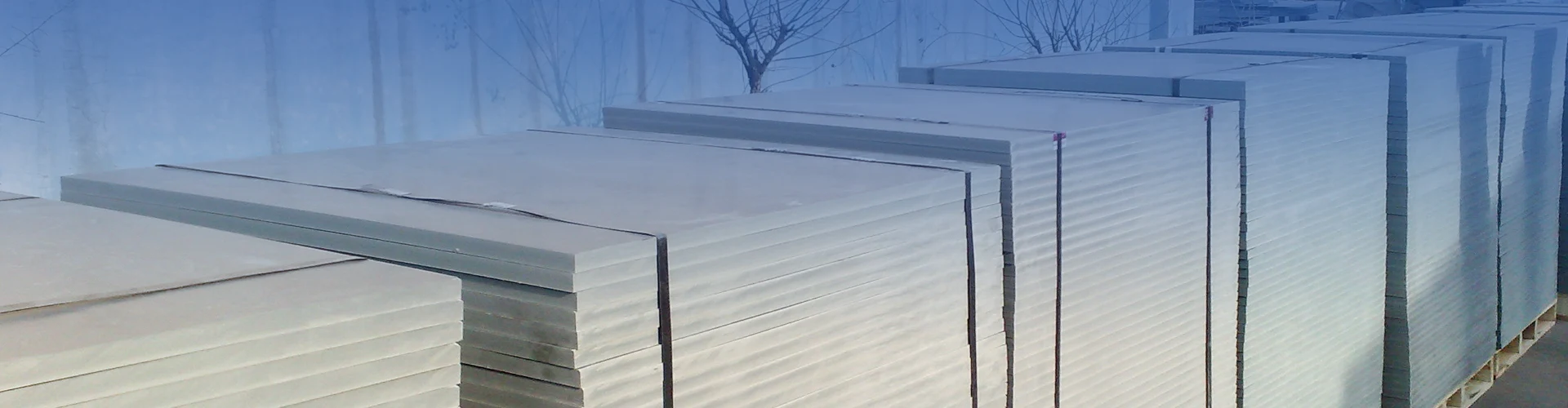
Brick Machine
The Brick Machine is a versatile industrial forming system designed for the high‑volume production of concrete bricks, pavers, and masonry units. Combining hydraulic pressing, high‑frequency vibration, and an intelligent quick‑change pallet system, this equipment transforms standard concrete mixtures into finished products with consistent dimensions, smooth surfaces, and structural integrity. Whether manufacturing solid building bricks, hollow blocks, or decorative paving stones, the Brick Machine offers the production flexibility and operational reliability required for both small‑scale producers and large manufacturing facilities.
Forming Principles & Process Overview
The Brick Machine operates on a three‑stage forming process that ensures optimal material compaction and product quality:
• Material feeding and pre‑compaction: The feed car delivers the concrete mix into the mold cavity while a short vibration cycle settles the material, eliminating air pockets and ensuring uniform fill density.
• Hydraulic‑vibration compaction: The press head descends with a rated pressure of 32 MPa while the vibration table operates at 4,500 RPM. This simultaneous application of force and vibration achieves maximum consolidation and eliminates voids within the green brick.
• Controlled demolding: After a brief pressure‑dwell period, the press head retracts and ejector pins push the finished brick onto the pallet. The demolding speed is adjustable to prevent edge chipping and surface damage.
The entire cycle is managed by a programmable logic controller (PLC), which stores recipes for different brick types and automatically adjusts timing, pressure, and vibration intensity. This automation ensures consistent quality across shifts and reduces operator intervention.
Quick‑Change Pallet System
A distinctive feature of the Brick Machine is its Quick‑Change Pallet System, which significantly reduces downtime when switching between product lines. The pallet serves both as the forming base and the carrier for transporting green bricks to the curing area. Key characteristics of this system include:
• Rapid replacement: Pallet change can be completed in minutes, enabling quick adaptation to different brick sizes or shapes without lengthy machine setup.
• Surface quality: The pallet’s chemical treatment prevents concrete residue accumulation, maintaining a smooth, even surface that improves the exterior finish of bricks and reduces cleaning time.
• Precision flatness and vibration transmission: The pallet is machined to exact flatness tolerances, ensuring crack‑free products and superior vibration transfer from the table to the material, which enhances brick density and strength.
• Durability and customisation: Constructed from a steel‑wood composite, the pallet offers structural support and load capacity, and it can be customised in size, colour, and material to meet specific production needs.
By minimising changeover time, the Quick‑Change Pallet System allows manufacturers to run smaller batches economically and respond swiftly to changing market demands.
Technical Specifications & Production Capacity
The following table provides key specifications for a standard Brick Machine configuration. Production output varies with product type and cycle time.
| Parameter | Value |
| Overall Dimensions (L×W×H) | 3100 × 2100 × 2700 mm |
| Molding Area | 900 × 800 mm |
| Molding Height Range | 40 – 230 mm |
| Molding Cycle | 15 – 22 seconds |
| Total Power | 40.5 kW |
| Hydraulic System Pressure | 32 MPa |
| Vibration Frequency | 4500 RPM |
| Exciting Force | 70 – 80 kN |
| Pallet Size | 850 × 680 × 25 mm |
| Machine Weight | 8.5 tons |
Typical production outputs per 8‑hour shift are as follows:
| Product Type | Pieces per Cycle | Pieces per Shift |
| Standard Brick (240×115×53 mm) | 30 | 57,600 |
| Hollow Block (390×190×190 mm) | 6 | 11,520 |
| Multi‑hole Brick (240×115×90 mm) | 15 | 28,800 |
| Pathway Paver (200×100×60 mm) | 21 | 27,552 |
Control & Automation Features
The Brick Machine is equipped with a Mitsubishi PLC control system and a touch‑screen interface that provides:
• Recipe management: Storage of up to 20 product profiles, each with specific parameters for cycle timing, pressure, vibration intensity, and demolding speed. This enables rapid product changeover at the touch of a button.
• Real‑time diagnostics: Continuous monitoring of system status with visual fault warnings and troubleshooting guidance to minimise downtime.
• Safety interlocks: Automatic protection features that prevent operation when safety guards are open or when abnormal conditions are detected.
• Production logging: Data recording of cycle counts and production output, facilitating performance tracking and quality control.
The hydraulic system employs high‑dynamic proportional valves that adjust oil flow and pressure according to the selected recipe, ensuring energy‑efficient operation and consistent compaction.
Competitive Comparison
The following benchmark contrasts the Brick Machine with common alternatives in the market:
| Feature | Our Brick Machine | Manual Press | Semi‑Automatic | Premium Imported |
|---|---|---|---|---|
| Cycle Time (seconds) | 15–22 | 40–60 | 20–30 | 12–16 |
| PLC Control & Touch Screen | Yes | No | Basic | Advanced |
| Hydraulic Pressure (MPa) | 32 | 10–15 | 20–25 | 32–40 |
| Quick‑Change Pallet System | Integrated | No | Optional | Integrated |
| Output (standard bricks/shift) | 57,600 | 5,000–10,000 | 25,000–35,000 | 60,000–80,000 |
| Investment (USD) | 85,000–150,000 | 15,000–30,000 | 50,000–80,000 | 250,000–500,000 |
| 5‑Year Total Cost (USD) | 195,000–265,000 | 220,000–300,000 | 210,000–280,000 | 480,000–720,000 |
The Brick Machine offers a balanced value proposition: near‑premium performance and flexibility at a moderate investment, with the Quick‑Change Pallet System providing a distinct operational advantage over semi‑automatic machines.
Frequently Asked Questions
Q1: Can the Brick Machine produce both solid bricks and hollow blocks?
Yes. The machine accepts interchangeable moulds, allowing production of solid bricks, hollow blocks, multi‑hole bricks, pavers, and kerbstones. The Quick‑Change Pallet System facilitates rapid changeover between product types.
Q2: What raw materials can be used with this machine?
The machine processes crushed stone, sand, cement, fly ash, slag, cinder, and various industrial by‑products. This flexibility enables cost‑effective formulation using locally available materials.
Q3: How long does a pallet change take?
A pallet change can be completed in approximately 5–10 minutes, enabling quick adaptation to different brick sizes without lengthy machine recalibration.
Q4: What is the expected service life of the pallet?
The pallet, made from steel and wood composite with chemical surface treatment, offers a service life of several years under normal operating conditions, depending on production volume and maintenance.
Q5: Does the machine require a special foundation?
Yes. A reinforced concrete foundation is recommended to ensure stability and alignment. Foundation drawings are supplied with the machine.
Related Products


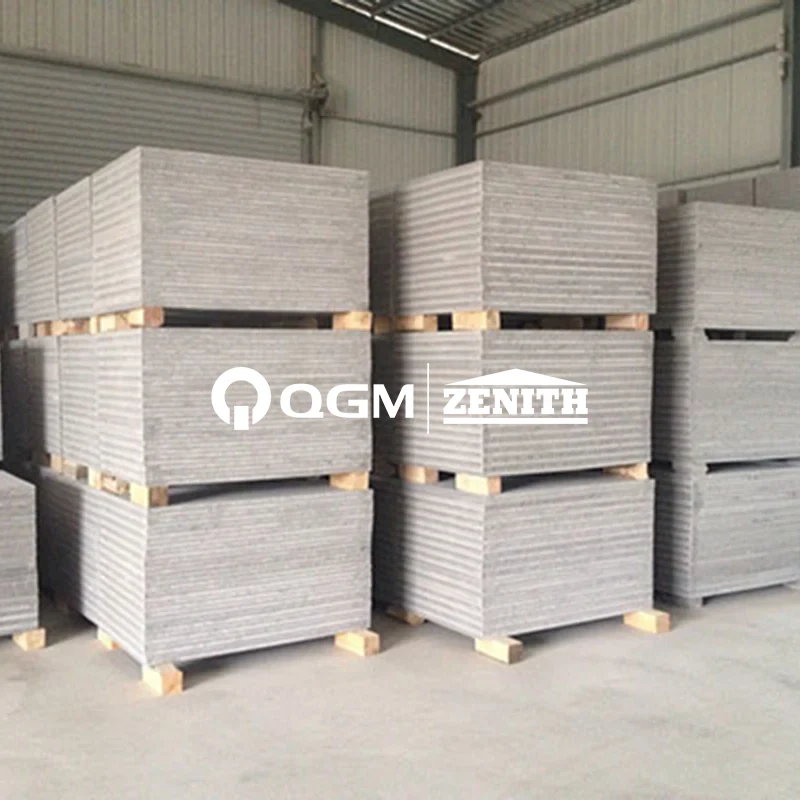


Hot Products

Hollow Block Machine Pallet
You are welcomed to come to QGM/Zenith factory to buy the latest selling, low price, and high-quality Hollow Block Machine Pallet. We look forward to cooperating with you. The design and material selection of the pallet are crucial to improving production efficiency and product quality.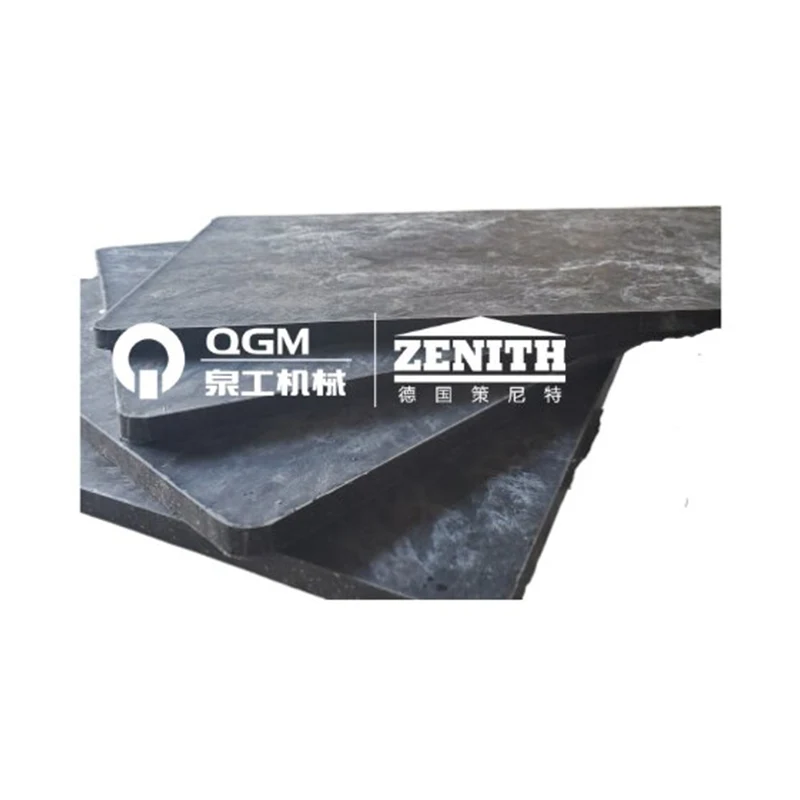
Paver Block Making Machine Pallet
High quality Paver Block Making Machine Pallet is offered by China manufacturer QGM/Zenith. Buy Paver Block Making Machine Pallet which is of high quality directly. It is usually located at the front of the manufacturing machine and is responsible for receiving, temporarily storing and evenly laying the materials on the road surface.
Brick Manufacturing Machine Pallet
QGM/Zenith is a professional leader China Brick Manufacturing Machine Pallet manufacturer with high quality and reasonable price. Welcome to contact us.Pallets are mainly used to place and fix bricks, ensuring the stability and neat arrangement of bricks during the production process.
Hollow Block Machinery Pallet
Being a proficient manufacturer, QGM/Zenith aims to offer you top-notch Hollow Block Machinery Pallet. We promise to provide you with the best after-sale support and prompt delivery. Its main function is to protect the blocks from damage during production and transportation, while facilitating stacking and handling. Hollow Block Machinery Pallet is usually made of wood or plastic.
Block Machinery Pallet
High quality Block Machinery Pallet is offered by China manufacturer QGM/Zenith. It is usually made of steel and wood. It has a rectangular shape and consists of four steel pipes and four wooden boards. It has a stable structure and strong carrying capacity.
Multipurpose Block Machine Pallet
QGM/Zenith is one of professional leader China Multipurpose Block Machine Pallet manufacturer with high quality and reasonable price. Welcome to contact us.The four corners of the bottom of the pallet body are fixedly connected with legs. The pallet body is provided with an installation chamber.
- Related Blog
- Reviews

Related Search
auto brick machineAutomatic Concrete Brick MachineAutomatic Imitation Stone Brick MachineAutomatic Imitation Stone Brick MachineryAutomatic Permeable Brick MachineBamboo Brick Machine Palletblock brick machineBrick Machine Curb Stone MoldBrick machine equipmentbrick machine makerBrick Machine Offline Cubic SystemBrick Machine Palletbrick machinesCement Brick MachineCement Brick Machine AutomaticCement Brick Machine Palletcement brick machine production lineCement Brick Machinery MoldCement Brick Machines MoldCement Permeable Brick Machinecement permeable brick machine pvc palletCement Permeable Brick MachineryConcrete Block Brick Machine PalletConcrete Brick MachineConcrete Brick Machine Palletconcrete brick machine pvc palletConcrete products brick machineConcrete Products Brick MachineryEco-brick machine equipmentEco-brick machine palletEco-brick machineryFiberglass Brick Machine Palletflyash brick machineFully automatic fly ash brick machineFully Automatic Non Burning Brick MachineFully Automatic Non Burning Brick MachineryHollow Brick MachineHollow Brick Machine PalletImitation Stone Brick MachineImitation Stone Brick Machine equipmentImitation Stone Brick MachineryIntelligent Imitation Stone Brick MachineIntelligent Imitation Stone Brick MachineryIntelligent Non Burning Brick MachineIntelligent Permeable Brick MachineKerbstone Brick Machinemaking brick machinemaking brick machinerymanual interlocking brick machinemanual interlocking brick machineryNo burning brick machinePaving Brick MachinePermeable Brick MachinePermeable Brick Machine equipmentPermeable Brick MachineryPvc Brick Machine PalletSemi-automatic fly ash brick machineSmall brick machine palletsmall brick machinerySolid Wood Brick Machine PalletUnburned Brick Machine Pallet