- English
- Español
- Português
- русский
- Français
- 日本語
- Deutsch
- tiếng Việt
- Italiano
- Nederlands
- ภาษาไทย
- Polski
- 한국어
- Svenska
- magyar
- Malay
- বাংলা ভাষার
- Dansk
- Suomi
- हिन्दी
- Pilipino
- Türkçe
- Gaeilge
- العربية
- Indonesia
- Norsk
- تمل
- český
- ελληνικά
- український
- Javanese
- فارسی
- தமிழ்
- తెలుగు
- नेपाली
- Burmese
- български
- ລາວ
- Latine
- Қазақша
- Euskal
- Azərbaycan
- Slovenský jazyk
- Македонски
- Lietuvos
- Eesti Keel
- Română
- Slovenski
- मराठी
- Srpski језик
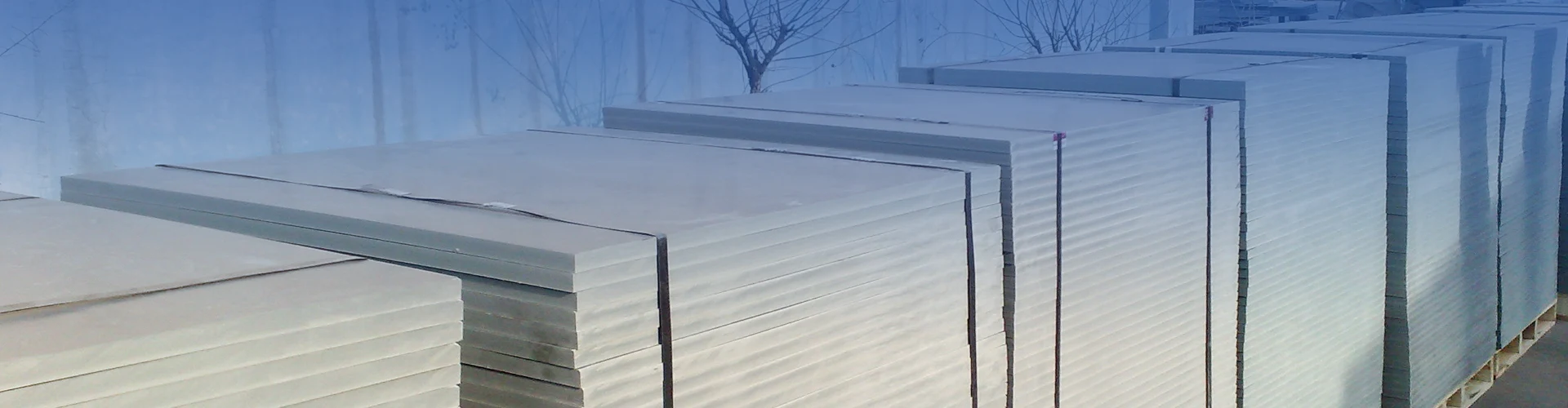
China Fully Automatic Non Burning Brick Machine Manufacturer, Supplier, Factory
Our fully automatic non-burning brick machine integrates advanced vibration forming technology with high-precision steel pallet systems to ensure superior product quality and production efficiency. Designed for curb stone manufacturing, this system delivers consistent output with minimal manual intervention.
Key Equipment Feature
The machine is equipped with high-strength solid steel pallets that undergo rigorous precision processing to guarantee flatness, durability, and vibration resistance. Below are the certified specifications and processing advantages:
• Precision Cutting: CNC aerated bidirectional linear cutting ensures accurate length, width, and diagonal dimensions.
• Edge Treatment: Robotic automatic smoothing and polishing of all four corners; each sharp edge is additionally brushed and pressed with steel for safety and finish.
• Stress Relief: Residual tensile stress from cutting is eliminated in both horizontal and vertical directions, preventing pallet tilting after vibration and reducing product cracks.
• Flatness Control: Two-step horizontal and vertical flatness correction, combined with automatic detection equipment (100% full inspection), ensures zero deformation over long-term use.
Recommended Pallet Thickness for Curb Stone Production
| Steel Pallet (L×W) | Product | Load Condition | Raw Material | Thickness (mm) |
| 1400 × 1000 mm | Curb Stone | Up to 600kg | KS SS400 / DIN St 44.2 | 15 / 16 / 18 |
| 1400 × 1000 mm | Curb Stone | Up to 600kg | KS SS490 / DIN St 50.2 / DIN St 52.3 | 15 / 16 / 18 |
Characteristic Comparison
| Parameter | Steel Pallet Performance |
| Durability | Long-term reuse, stable under heavy loads |
| Waste | Fully recyclable (scrap iron reuse) |
| End-of-life value | Partial cost recovery via scrap recycling |
| Environmental impact | None (inert material, no chemical release) |
| Product strength | Excellent > Wood / Plastic |
| Mold block strength | Excellent > Wood / Plastic |
| Finished product appearance | Superior surface quality > Wood / Plastic |
| Elastic modulus | 200 GPa (rigid support) > Wood / Plastic |
| Vibration transmission rate | High (enhances compaction efficiency) > Wood / Plastic |
Why Choose Our System?
When evaluating non-burning brick forming equipment, the differences in design philosophy and component quality become apparent. Our system offers distinct advantages over conventional alternatives:
• Pallet Precision vs. Industry Standard: Many competitors rely on lower-grade cutting methods that result in dimensional variations of ±2-3mm. Our CNC aerated bidirectional cutting achieves tolerances within ±0.5mm, directly translating to tighter product geometry and reduced material waste.
• Stress Relief Engineering: While most manufacturers skip this critical step, our systematic stress-relief process prevents pallet warping that typically occurs after 6-12 months of use. Competitors' pallets often require replacement or rework within the first year, whereas our pallets maintain their flatness for years of continuous operation.
• 100% Inspection vs. Spot Checking: Many suppliers rely on random sampling for quality control. Our automated flatness detection equipment inspects every single pallet, ensuring that no substandard unit reaches your production line. This reduces downtime and product rejection rates significantly.
• Material Grade Options: We offer both KS SS400/DIN St 44.2 and KS SS490/DIN St 50.2/52.3 material grades, providing flexibility to match your specific strength requirements. Competitors typically offer a single material grade, limiting your ability to optimize for cost or performance.
• Robotic Edge Finishing: Our automated robotic edge treatment delivers consistent, repeatable results. Manual finishing methods used by many competitors are operator-dependent, leading to inconsistent edge quality that can affect product release from the mold and increase cleaning requirements.
Product Lifecycle Value – Beyond the Initial Purchase
The true value of our system becomes evident when considering the total cost of ownership over a typical 10-year production horizon. Here are the key lifecycle advantages:
• Extended Pallet Service Life: Thanks to stress relief and precision flatness control, our steel pallets typically last 3-5 times longer than standard pallets. This means fewer replacement purchases, less downtime for pallet changeovers, and lower inventory requirements.
• Consistent Product Quality Over Time: Because our pallets maintain their flatness and dimensional stability, product quality remains consistent throughout the pallet's service life. Competitor pallets often degrade in performance, leading to gradual quality deterioration that affects customer satisfaction and increases rejection rates.
• End-of-Life Asset Recovery: When our steel pallets eventually reach the end of their service life, their scrap steel value provides a meaningful financial return. In contrast, wood and plastic pallets typically have zero or negative disposal costs, making steel the more economical choice over the long term.
• Reduced Maintenance Costs: The precision engineering of our pallets reduces wear on the machine's vibration components and positioning systems. This translates to lower spare parts consumption, longer maintenance intervals, and reduced technician labor costs over the equipment's lifespan.
Frequently Asked Questions (FAQ)
Q1: What is the typical service life of the steel pallets under normal production conditions?
A: Under standard operating conditions with proper maintenance, our steel pallets typically provide 3-5 years of continuous service. The actual lifespan depends on production volume, product weight, and operating conditions. Our stress-relief and flatness control processes are specifically designed to extend pallet life beyond that of standard alternatives, which often show signs of deformation within 12-18 months.
Q2: Can the machine accommodate different pallet sizes or product types?
A: The machine is designed with flexibility in mind. While the standard configuration supports 1400×1000 mm pallets for curb stone production, the system can be adapted to accommodate other pallet dimensions and product types. Please consult our technical team to discuss your specific production requirements, and we will recommend the appropriate configuration.
Q3: How does the machine handle variations in mix consistency or moisture content?
A: The vibration forming system is calibrated to handle typical variations in mix consistency. The steel pallet's rigid support and efficient vibration transmission help compensate for minor variations by ensuring even compaction across the entire forming surface. For significant changes in mix formulation, the machine's vibration parameters can be adjusted to achieve optimal results. Our technicians can provide guidance on parameter adjustments based on your specific mix design.
Q4: What is the recommended maintenance schedule for the steel pallets?
A: We recommend a regular inspection schedule of the pallets, focusing on flatness measurement and edge condition. Under normal use, a monthly visual inspection and quarterly flatness check using the automated detection equipment is sufficient. This proactive approach helps identify any issues before they affect product quality. The pallets require no special coatings or treatments, as the steel surface is designed to resist wear and corrosion under standard operating conditions.
Advantages for Buyers
Choosing our fully automatic non-burning brick machine with precision steel pallets means:
• Higher forming density and smoother finished bricks,
• Lower long-term cost due to pallet durability and scrap value,
• Consistent output quality from automated flatness and stress-relief processes.
Related Products




Hot Products

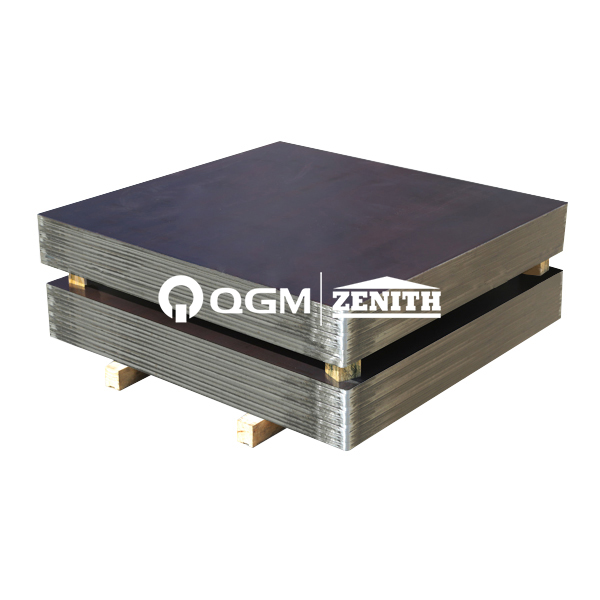
Brick Making Machine Pallet
QGM/Zenith is a professional Brick Making Machine Pallet manufacturer and supplier in China, you can rest assured to buy Brick Making Machine Pallet from our factory and we will offer you the best after-sale service and timely delivery.It is mainly used to store and transport bricks, tiles and other building materials during the brick making process.
Recycled Material Brick Pallet
QGM/Zenith is one of the famous China Recycled Material Brick Pallet manufacturer and supplier. Our factory specializes in manufacturing of Recycled Material Brick Pallet.This pallet is suitable for brick machine pallets, mainly used for cement brick machine pallets, with high durability and load-bearing capacity.
Quick-Change Block Machine Board
QGM/Zenith is one of the professional Quick-Change Block Machine Board manufacturer and supplier in China. Our products are CE certified and have in stock of factory, welcome to buy Quick-Change Block Machine Board from us. The main purpose of the block machine pallet is to carry and transfer bricks, ensuring that the bricks can be smoothly and evenly distributed after transportation and fixation to avoid dislocation or breakage.
Green Building Block Board
QGM/Zenith is a proficient manufacturer and supplier of Green Building Block Board in China. If you're searching for the Green Building Block Board at an affordable price, get in touch with us right away! The Green Building Block Machine Pallet can be used in a variety of building block machine production lines, such as concrete block machines, cement block machines and brick machines.
Green Building Block Brick Machine Pallet
QGM/Zenith is one of professional China Green Building Block Brick Machine Pallet manufacturer and supplier, The quality and performance of the pallet directly affect the production efficiency and product quality. consult us now!
High-Strength Concrete Board
QGM/Zenith is a reputable Chinese manufacturer and supplier with years of experience specializing in High-Strength Concrete Board production. It is usually made of fine fibers and raw material particles, with extremely high compressive strength and tensile strength, far exceeding traditional concrete. We hope to establish commercial ties with you.
- Related Blog
- Reviews