- English
- Español
- Português
- русский
- Français
- 日本語
- Deutsch
- tiếng Việt
- Italiano
- Nederlands
- ภาษาไทย
- Polski
- 한국어
- Svenska
- magyar
- Malay
- বাংলা ভাষার
- Dansk
- Suomi
- हिन्दी
- Pilipino
- Türkçe
- Gaeilge
- العربية
- Indonesia
- Norsk
- تمل
- český
- ελληνικά
- український
- Javanese
- فارسی
- தமிழ்
- తెలుగు
- नेपाली
- Burmese
- български
- ລາວ
- Latine
- Қазақша
- Euskal
- Azərbaycan
- Slovenský jazyk
- Македонски
- Lietuvos
- Eesti Keel
- Română
- Slovenski
- मराठी
- Srpski језик
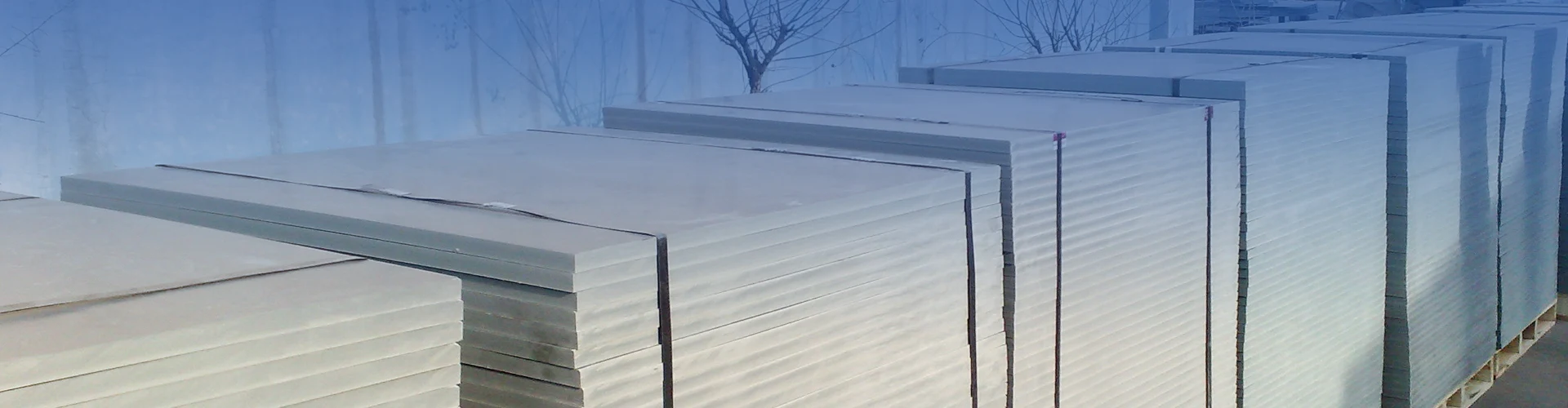
Cement Brick Machines Mold
The mold is the defining component of any cement brick production line—the precision-engineered cavity that shapes raw concrete into finished masonry units. A Cement Brick Machines Mold is designed specifically for the demanding conditions of cement-based production, where high-pressure compaction, high-frequency vibration, and the abrasive nature of cement mixes place extraordinary demands on the forming tool. Unlike general-purpose molds, cement brick molds are constructed from specialized wear-resistant alloys and incorporate surface treatments that prevent concrete adhesion, ensuring consistent product quality over extended production runs.
Mold Materials & Wear Resistance
The abrasive nature of cement mixes—particularly those containing silica sand, crushed stone, or recycled aggregates—accelerates mold wear significantly. Cement Brick Machines Mold addresses this through advanced material selection:
• High-grade alloy steel construction: Mold cavities are fabricated from premium wear-resistant alloy steels that maintain dimensional accuracy under repeated high-pressure compaction cycles. The use of high-grade steel with advanced heat treatment processes extends mold life significantly compared to standard carbon steel molds.
• Advanced heat treatment: Mold components undergo specialized heat treatment processes that relieve internal stresses and enhance surface hardness. This treatment increases wear resistance and extends the service life of the mold cavity.
• Wear-resistant coatings: Critical mold surfaces are treated with wear-resistant coatings that reduce friction between the mold and the concrete mixture. These coatings minimize abrasive wear and maintain surface finish quality over extended production runs.
The mold is typically mounted on a pallet system that forms the bottom of the forming cavity. The pallet—a flat, rigid platform—receives the concrete mixture and supports the block during the forming cycle. The combination of precision mold and high-quality pallet is essential for producing crack-free, dimensionally accurate products.
Mold Design for Cement Application
Cement brick production presents specific challenges that influence mold design:
• Controlled demolding: The ejection system operates at a programmed rate that minimizes friction between the green block and the mold walls, reducing edge chipping and surface damage.
• Release agent compatibility: The mold surface finish and material are selected to work effectively with standard concrete release agents, ensuring clean product release without compromising surface quality.
• Cavity geometry accuracy: Mold cavities are machined to tight tolerances, ensuring consistent block dimensions across thousands of production cycles. This precision is essential for producing blocks that meet construction industry standards for dimensional accuracy.
• Interchangeable mold design: The mold structure is designed for simple and convenient replacement, allowing operators to switch between product types with minimal downtime. This modular approach reduces maintenance costs and maximizes machine utilization.
The combination of these design features enables the production of cement blocks with consistent density, smooth surfaces, and dimensional accuracy that meet international construction standards.
Multipurpose Pallet Integration
The Cement Brick Machines Mold is designed to interface with the Multipurpose Block Machine Pallet—a robust support platform that serves as the base of the forming cavity. Key features of the pallet system include:
• Rigid pallet body with support legs: Constructed from high-precision, high-strength castings, with legs fixed at the four corners to provide stable support during the molding cycle.
• Motorized adjustment system: An installation chamber within the pallet body houses a motor that drives a threaded shaft, enabling precise vertical adjustment of the pallet surface. This feature allows operators to fine-tune the pallet height to accommodate different mold configurations or material variations.
• Vibration resistance: The pallet is fabricated using special welding techniques and high-strength materials, providing good rigidity and vibration resistance essential for cement block production.
• Ease of maintenance: The structural design of the pallet makes mold replacement and maintenance relatively straightforward, reducing overall operating costs and minimizing production interruptions.
The pallet's motorized adjustment capability is particularly valuable in cement production, where variations in mix consistency can affect mold fill and compaction. The precise control over the pallet position allows operators to optimize the forming process for different cement formulations, maintaining product quality across all production runs.
Compatibility with Cement Mix Formulations
Cement Brick Machines Mold is compatible with a wide range of cement-based formulations, from standard Portland cement mixes to specialty formulations containing supplementary cementitious materials. The mold design accommodates the rheological characteristics of different cement mixes, enabling consistent production across formulation changes.
| Mix Type | Cement Content | Aggregate Type | Mold Considerations |
| Standard Portland Cement Mix | 10–15% | Crushed stone, sand | Standard wear-resistant alloy |
| Fly Ash Blended Mix | 8–12% cement + fly ash | Fine aggregate, fly ash | Enhanced surface finish; finer aggregate compatibility |
| High-Strength Cement Mix | 15–20% | Fine crushed stone, sand | Higher compaction pressure; wear-resistant coating |
| Slag-Based Mix | 8–12% cement + slag | Standard aggregate, slag | Enhanced corrosion resistance for alkaline mix |
The mold's surface finish and material selection are optimized for each mix type, ensuring consistent product release and dimensional accuracy across different formulations.
Product Range & Versatility
The Cement Brick Machines Mold supports the production of a comprehensive range of cement-based products through simple mold changes:
• Standard cement bricks: Solid masonry units for structural and facade applications, available in various standard sizes.
• Hollow cement blocks: Lightweight blocks with cavities for reduced material usage and improved insulation.
• Cement pavers: Interlocking and non-interlocking paving units for walkways, driveways, and plazas.
• Colored cement products: Specialized molds designed for pigmented concrete mixes, enabling the production of decorative masonry units.
• Specialty products: Perforated bricks, grass pavers, and custom shapes for specific project requirements.
This versatility allows manufacturers to respond quickly to changing market demands, producing small batches of specialized products without the need for dedicated production lines. By simply changing the mould, product production can be quickly adjusted to maximize market responsiveness and equipment effectiveness.
Quality Outcomes: Precision Cement Products
The combination of precision molds, high-quality pallets, and controlled forming conditions produces cement blocks with superior characteristics:
• Dense, strong blocks: The high-pressure compaction and controlled vibration ensure that blocks achieve the required density and compressive strength for structural applications.
• Accurate dimensions: Precision-machined molds and rigid pallets maintain consistent block dimensions within tight tolerances, reducing mortar consumption during construction.
• Smooth surface finish: The smooth mold surfaces and proper demolding techniques produce blocks with clean edges and attractive surface appearance.
• Crack-free products: The controlled forming process and precise demolding minimize stress on the green blocks, reducing the incidence of cracks and defects.
The integration of motorized pallet adjustment with precision mold engineering represents a significant advancement in cement block production technology, enabling manufacturers to achieve consistent quality while maintaining production flexibility.
Frequently Asked Questions
Q1: What is the typical service life of a cement brick machine mold?
The service life depends on the material quality, production volume, and maintenance practices. High-grade alloy steel molds with proper heat treatment typically last for hundreds of thousands of cycles before requiring refurbishment or replacement. Regular cleaning and inspection extend mold life significantly.
Q2: How does the mold handle abrasive cement mixes?
Cement brick molds are fabricated from wear-resistant alloy steels and incorporate advanced heat treatment processes to enhance surface hardness. The wear-resistant coatings applied to critical surfaces reduce friction and minimize abrasive wear.
Q3: Can the same pallet be used with different molds?
Yes. The Multipurpose Block Machine Pallet is designed to accommodate various mold configurations. Its adjustable height feature allows operators to optimize the pallet position for different mold types and product specifications.
Q4: What maintenance is required for cement brick machine molds?
Regular maintenance includes cleaning mold surfaces to remove cement residue, inspecting for wear or damage, and applying appropriate release agents. Periodic dimensional checks ensure that the mold continues to produce blocks within specification tolerances.
Q5: Can cement brick molds produce colored cement products?
Yes. Specialized molds designed for pigmented concrete mixes enable the production of decorative cement blocks and pavers with consistent surface color and finish.
Q6: How does the pallet's motorized adjustment system improve cement block quality?
The motorized adjustment system allows operators to precisely control the pallet surface position, optimizing the mold cavity fill and compaction process. This results in cement blocks with consistent density, uniform strength, and accurate dimensions across production runs.
Related Products


Hot Products

PVC Brick Machine Pallet
QGM/Zenith is PVC Brick Machine Pallet manufacturer and supplier in China, we can provide professional service and better price for you. It is an emerging unburned brick pallet with high strength, resistance to cooking, impact, earthquake, no water absorption, no deformation, no cracking, long service life, and recyclable.
Energy-Efficient Brick Machine Pallet
QGM/Zenith is Energy-Efficient Brick Machine Pallet manufacturer and supplier in China. We can provide professional service and better price for you. Energy-Efficient Brick machine Pallet refers to the auxiliary equipment used to hold up the brick embryo during the production process of the brick machine.If you interested in products, please contact with us. We follow the quality of rest assured that the price of conscience, dedicated service.
Heavy-Duty Brick Machine Pallet
QGM/Zenith is a professional China Heavy-Duty Brick Machine Pallet manufacturer and supplier, if you are looking for the Heavy-Duty Brick Machine Pallet, It plays an important role in building logistics and has strong load-bearing capacity and wear resistance.
Quick-Change Block Machine Board
QGM/Zenith is one of the professional Quick-Change Block Machine Board manufacturer and supplier in China. Our products are CE certified and have in stock of factory, welcome to buy Quick-Change Block Machine Board from us. The main purpose of the block machine pallet is to carry and transfer bricks, ensuring that the bricks can be smoothly and evenly distributed after transportation and fixation to avoid dislocation or breakage.
Interlocking Brick Machine Board
Welcome to buy Interlocking Brick Machine Board from QGM/Zenith. Every request from customers is being replied within 24 hours. It is mainly used to hold up the brick embryo, assist in the transportation and molding of the brick embryo, and is an indispensable part of the brick production line.
Green Building Block Brick Machine Pallet
QGM/Zenith is one of professional China Green Building Block Brick Machine Pallet manufacturer and supplier, The quality and performance of the pallet directly affect the production efficiency and product quality. consult us now!
- Related Blog
- Reviews