- English
- Español
- Português
- русский
- Français
- 日本語
- Deutsch
- tiếng Việt
- Italiano
- Nederlands
- ภาษาไทย
- Polski
- 한국어
- Svenska
- magyar
- Malay
- বাংলা ভাষার
- Dansk
- Suomi
- हिन्दी
- Pilipino
- Türkçe
- Gaeilge
- العربية
- Indonesia
- Norsk
- تمل
- český
- ελληνικά
- український
- Javanese
- فارسی
- தமிழ்
- తెలుగు
- नेपाली
- Burmese
- български
- ລາວ
- Latine
- Қазақша
- Euskal
- Azərbaycan
- Slovenský jazyk
- Македонски
- Lietuvos
- Eesti Keel
- Română
- Slovenski
- मराठी
- Srpski језик
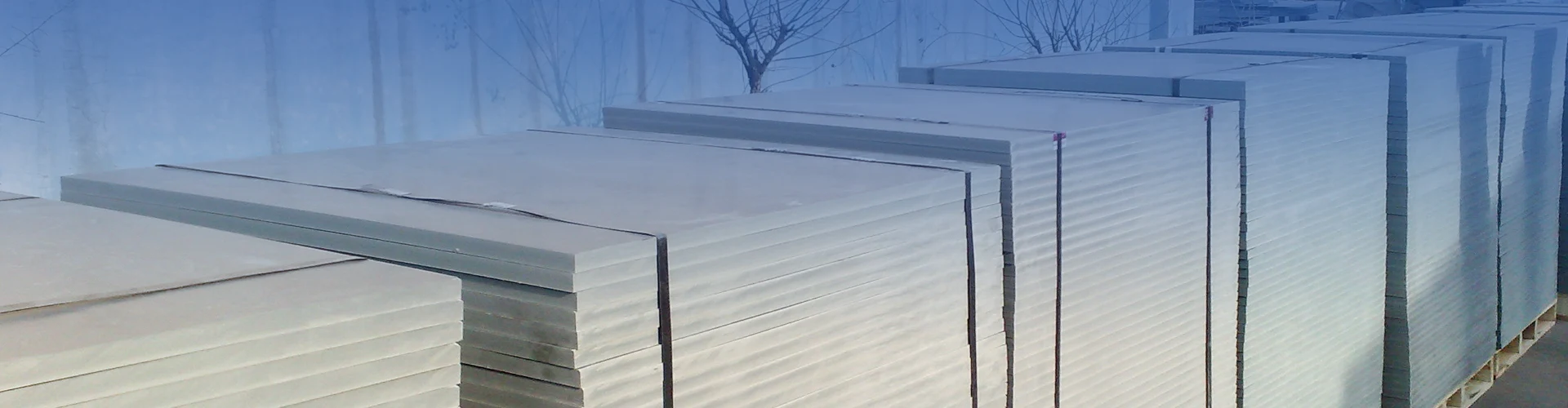
Brick Machines Mold
The mold is the heart of any brick or block making machine—the precision tool that defines the shape, dimensions, and surface quality of every concrete product produced. A Brick Machines Mold is an engineered forming cavity designed to withstand the high-frequency vibration, hydraulic pressure, and abrasive wear of continuous concrete production. Unlike single-purpose molds, modern brick machine molds are designed for interchangeability, allowing a single machine to produce hollow blocks, solid bricks, pavers, curbstones, and specialty masonry units by changing the mold assembly. The performance of the mold directly determines product consistency, production efficiency, and the service life of the forming equipment.
Product Versatility Through Mold Interchangeability
One of the key advantages of modern brick machines is their ability to produce a wide range of products through simple mold changes. The Brick Machines Mold system supports the production of:
• Hollow blocks: Load-bearing and non-load-bearing blocks for wall construction, available in various cavity configurations.
• Solid bricks: Standard masonry units for structural and facade applications.
• Pavers and paving stones: Interlocking and non-interlocking paving units for walkways, driveways, and plazas.
• Curbstones and roadside stones: Edging units for road and landscape applications.
• Specialty products: Perforated bricks, grass pavers, and custom shapes for specific project requirements.
This versatility allows manufacturers to respond quickly to changing market demands, producing small batches of specialized products without the need for dedicated production lines. By simply changing the mould, product production can be quickly adjusted to maximize market responsiveness and equipment effectiveness.
Applications Across Industries
The Brick Machines Mold and its associated pallet system serve a wide range of industries, including:
• Construction materials manufacturing: Primary application for producing concrete blocks, bricks, and pavers for building and infrastructure projects.
• Heavy machinery and equipment: Used in the transportation and storage of machinery and equipment components within industrial facilities.
• Logistics and warehousing: The pallet's robust construction makes it suitable for material handling applications in warehouse and distribution environments.
The multipurpose design of both the mold and pallet systems ensures that the equipment can adapt to diverse operational requirements, from small-scale production runs to high-volume continuous manufacturing.
Mold Construction: Materials & Engineering Standards
The durability and precision of Brick Machines Mold are determined by its materials and manufacturing processes:
• High-grade alloy steel construction: Mold cavities are fabricated from wear-resistant alloy steels that maintain dimensional accuracy under repeated high-pressure compaction cycles. The use of high-grade steel with advanced heat treatment processes extends mold life significantly compared to standard carbon steel molds.
• Special welding and heat treatment: The mainframe of the block making machine uses high-strength structural steel and special welding techniques to ensure rigidity and vibration resistance. Mold components undergo heat treatment to relieve internal stresses and enhance wear resistance.
• Precision machining: Mold cavities are machined to tight tolerances, ensuring consistent block dimensions across thousands of production cycles. This precision is essential for producing blocks that meet construction industry standards for dimensional accuracy.
• Interchangeable mold design: The mold structure is designed for simple and convenient replacement, allowing operators to switch between product types with minimal downtime. This modular approach reduces maintenance costs and maximizes machine utilization.
The mold is typically mounted on a pallet system that forms the bottom of the forming cavity. The pallet—a flat, rigid platform—receives the concrete mixture and supports the block during the forming cycle. The combination of precision mold and high-quality pallet is essential for producing crack-free, dimensionally accurate products.
The Multipurpose Pallet: Foundation of the Mold System
The Multipurpose Block Machine Pallet serves as the critical interface between the mold and the vibration table. This pallet is designed to withstand the demanding conditions of block production while providing consistent support for the forming process. Key design features of the Brick Machines Mold include:
• Rigid pallet body with support legs: The pallet body is constructed from high-precision, high-strength castings, with legs fixed at the four corners to provide stable support during the molding cycle.
• Integrated motorized adjustment: An installation chamber within the pallet body houses a motor that drives a threaded shaft, enabling precise vertical adjustment of the pallet surface. This feature allows operators to fine-tune the pallet height to accommodate different mold configurations or material variations.
• Vibration resistance and durability: The pallet is fabricated using special welding techniques and high-strength materials, providing good rigidity and vibration resistance. This construction ensures a long service life even under continuous, high-intensity operation.
• Ease of maintenance: The structural design of the pallet makes mold replacement and maintenance relatively straightforward, reducing overall operating costs and minimizing production interruptions.
The pallet's motorized adjustment system sets it apart from conventional fixed pallets. By enabling precise control over the pallet surface position, operators can optimize the mold cavity fill and compaction process, resulting in blocks with consistent density, strength, and dimensional accuracy.
Frequently Asked Questions
Q1: What is the typical service life of a brick machine mold?
The service life of a brick machine mold depends on the material quality, production volume, and maintenance practices. High-grade alloy steel molds with proper heat treatment typically last for hundreds of thousands of cycles before requiring refurbishment or replacement. Regular cleaning and inspection extend mold life significantly.
Q2: How long does it take to change a mold on a brick machine?
With modern quick-change mold designs, mold replacement can be completed in 15–30 minutes. The specific time depends on the machine design and the complexity of the mold assembly.
Q3: Can the same pallet be used with different molds?
Yes. The Multipurpose Block Machine Pallet is designed to accommodate various mold configurations. Its adjustable height feature allows operators to optimize the pallet position for different mold types and product specifications.
Q4: What maintenance is required for brick machine molds?
Regular maintenance includes cleaning mold surfaces to remove concrete residue, inspecting for wear or damage, and applying appropriate release agents. Periodic dimensional checks ensure that the mold continues to produce blocks within specification tolerances.
Q5: What materials can be used with brick machine molds?
Brick Machines Molds are compatible with a wide range of concrete formulations, including mixes containing crushed stone, sand, cement, fly ash, slag, and other industrial by-products. The mold material and design must be matched to the abrasiveness of the specific mix being used.
Q6: Can brick machine molds produce custom block shapes?
Yes. Custom molds can be manufactured to produce blocks of specific shapes and dimensions for specialized construction projects. The mold design process involves engineering the cavity geometry to meet the required product specifications.
Q7: How does the pallet's motorized adjustment system improve production quality?
The motorized adjustment system allows operators to precisely control the pallet surface position, optimizing the mold cavity fill and compaction process. This results in blocks with consistent density, uniform strength, and accurate dimensions across production runs.
Related Products


Hot Products

Brick Making Machine Pallet
QGM/Zenith is a professional Brick Making Machine Pallet manufacturer and supplier in China, you can rest assured to buy Brick Making Machine Pallet from our factory and we will offer you the best after-sale service and timely delivery.It is mainly used to store and transport bricks, tiles and other building materials during the brick making process.
High-Capacity Block Machine Board
QGM/Zenith is High-Capacity Block Machine Board manufacturer and supplier in China, we can provide professional service.The advantage of High-Capacity Block Machine Board is that it can significantly reduce the production cost of bricks, solve the problem of traditional pallets being easily damaged, and at the same time improve production efficiency and product quality.
Concrete Paver Board
One of the Chinese companies offering Concrete Paver Board for buy is QGM/Zenith. For you, we can offer better pricing and competent service. Should you be intrigued by Concrete Paver Board, kindly get in touch with us. We adhere to the standard of conscience-driven, committed service at the cost of quality assurance.OneWe adhere to the standard of conscience-priced, devoted service, so you can feel secure.
Hollow Block Machinery Pallet
Being a proficient manufacturer, QGM/Zenith aims to offer you top-notch Hollow Block Machinery Pallet. We promise to provide you with the best after-sale support and prompt delivery. Its main function is to protect the blocks from damage during production and transportation, while facilitating stacking and handling. Hollow Block Machinery Pallet is usually made of wood or plastic.
Concrete Block Brick Machine Pallet
One of Chinese manufacturer of Concrete Block Brick Machine Pallet, offering excellent quality at a competitive price, is QGM/Zenith. Feel free to get in touch. They are used as transportation auxiliary tools in building logistics, which can improve transportation efficiency and work safety, and are also beneficial to environmental protection.
Multipurpose Block Machine Pallet
QGM/Zenith is one of professional leader China Multipurpose Block Machine Pallet manufacturer with high quality and reasonable price. Welcome to contact us.The four corners of the bottom of the pallet body are fixedly connected with legs. The pallet body is provided with an installation chamber.
- Related Blog
- Reviews