- English
- Español
- Português
- русский
- Français
- 日本語
- Deutsch
- tiếng Việt
- Italiano
- Nederlands
- ภาษาไทย
- Polski
- 한국어
- Svenska
- magyar
- Malay
- বাংলা ভাষার
- Dansk
- Suomi
- हिन्दी
- Pilipino
- Türkçe
- Gaeilge
- العربية
- Indonesia
- Norsk
- تمل
- český
- ελληνικά
- український
- Javanese
- فارسی
- தமிழ்
- తెలుగు
- नेपाली
- Burmese
- български
- ລາວ
- Latine
- Қазақша
- Euskal
- Azərbaycan
- Slovenský jazyk
- Македонски
- Lietuvos
- Eesti Keel
- Română
- Slovenski
- मराठी
- Srpski језик
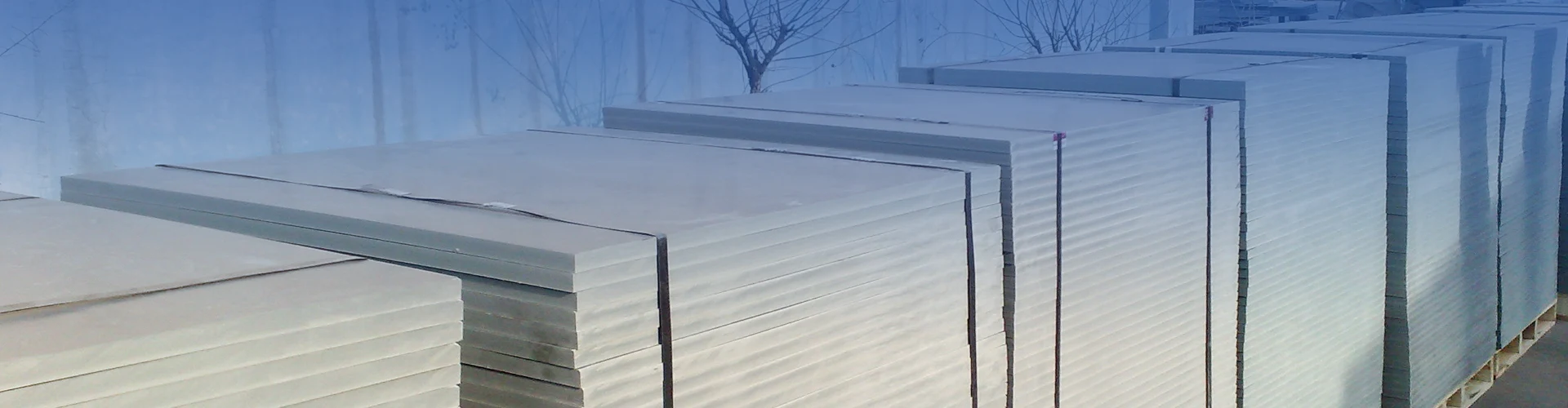
Block Making Machinery
Block making machinery is the foundational asset of any modern construction materials enterprise. Our comprehensive line of block making equipment is engineered to deliver production flexibility, operational durability, and measurable financial performance across the entire lifecycle of your manufacturing operation. From standardized hollow blocks to specialized interlocking pavers and architectural masonry, our machinery portfolio provides integrated solutions that adapt to changing market demands while maintaining strict quality and efficiency standards.
Modular Platform Architecture
Our block making machinery is built on a modular platform design that allows for incremental capacity expansion and technology upgrades without requiring complete equipment replacement. This architecture consists of four core modules that can be independently specified, upgraded, or serviced:
• Power & Hydraulic Module: Includes the main hydraulic pump, accumulator bank, and proportional valve manifold. Available in three power ratings (45kW, 75kW, 110kW) to match production volume requirements.
• Vibration & Compaction Module: Houses the dual-shaft eccentric vibrators, frequency inverters, and isolation mounts. Can be upgraded from standard frequency (50Hz) to high-frequency (70Hz) for specialized product applications.
• Mold & Forming Module: Accepts interchangeable mold cassettes in standard frame sizes (680×850mm, 850×1100mm, 950×1300mm). Quick-change clamping system enables 15-minute mold swaps.
• Control & Automation Module: PLC-based with touch-screen interface, recipe storage, and optional remote monitoring connectivity. Upgradeable from basic semi-auto to full-auto with integrated material feed and product handling.
This modular approach ensures that as your production volumes grow, your investment scales incrementally rather than requiring wholesale replacement—typically reducing 5-year capital expenditure by 30%–40% compared to fixed-capacity machines.
Production Capacity Matrix
Our machinery range covers the full spectrum of production volumes, from small-scale start-up operations to industrial-scale continuous production. The matrix below maps machine models to output capabilities and recommended application profiles:
| Model Series | Mold Frame (mm) | Cycle Time | Output (8h shift) | Ideal Application |
| BM-4 | 680×850 | 18–22s | 8,000–12,000 hollow blocks | Small-scale contractors, rural development |
| BM-6 | 850×1100 | 14–18s | 14,000–18,000 hollow blocks | Regional suppliers, mid-size construction |
| BM-8 | 950×1100 | 12–16s | 18,000–24,000 hollow blocks | Large construction projects, municipal works |
| BM-10 | 1100×1400 | 10–14s | 24,000–32,000 hollow blocks | High-volume industrial production |
| BM-Twin | Twin 850×1100 | 16–20s | 32,000–40,000 hollow blocks | Multi-product, high-mix factories |
Vibration Technology: The Physics of Compaction
The compaction effectiveness of block making machinery is fundamentally governed by the interaction between vibration frequency, amplitude, and the material's resonant response. Our engineering team has conducted extensive modal analysis on aggregate-cement mixtures to identify optimal compaction parameters for different material compositions:
• Standard Aggregate Mix (crushed stone + sand + cement): Optimal compaction at 45–55Hz with amplitude 0.8–1.2mm.
• Lightweight Aggregate (pumice, expanded clay): Requires lower amplitude (0.5–0.8mm) and higher frequency (60–65Hz) to prevent aggregate fracture.
• Recycled Concrete Aggregate: Compacts best at 50–60Hz with gradual amplitude build-up to allow particle rearrangement.
• Fly-Ash-Rich Mixes (>30% fly ash): Benefit from extended vibration duration (3–4s) at moderate frequency (40–45Hz).
Our machines incorporate variable frequency drives (VFDs) that allow operators to select from pre-tuned compaction profiles or manually fine-tune parameters. This precision typically improves product density by 8%–12% compared to fixed-speed vibrators, translating directly to higher compressive strength and lower cement demand.
Wear-Part Economics & Lifecycle Analysis
A block making machine's profitability over its operational lifetime depends heavily on wear-part consumption. The following table illustrates the expected lifespan and replacement economics for critical consumable components:
| Component | Material Specification | Average Service Life (cycles) | Replacement Cost (USD) | Cost per 1,000 Cycles (USD) |
| Mold Chamber (Cr12MoV) | Alloy tool steel, HRC 58–62 | 10,000–12,000 | $3,800–$4,500 | $380–$450 |
| Vibration Bearing Set (SKF/FAG) | High-precision angular contact | 8,000–10,000 | $580–$720 | $72–$90 |
| Hydraulic Seals (Parker) | Polyurethane, 90 Shore A | 6,000–8,000 | $180–$250 | $30–$42 |
| Punch Head (Hardox 500) | Abrasion-resistant steel plate | 5,000–7,000 | $420–$550 | $84–$110 |
| Eccentric Shaft (4140 alloy) | Quenched & tempered | 12,000–15,000 | $950–$1,200 | $80–$100 |
Competitive Positioning — Machinery Comparison
The following benchmark compares our block making machinery against three common alternatives: budget domestic presses, imported European equipment, and refurbished second-hand machines:
| Dimension | Our Block Making Machinery | Budget Domestic Press | Imported European (Premium) | Refurbished Second-Hand |
|---|---|---|---|---|
| Acquisition Cost (delivered) | $85,000–$145,000 | $45,000–$70,000 | $220,000–$380,000 | $55,000–$90,000 |
| First-Year Production Capacity (standard blocks) | 3.5–5.0 million | 2.0–3.5 million | 4.0–6.0 million | 2.5–4.0 million (subject to actual condition) |
| Wear-Part Annual Cost | $12,000–$16,000 | $18,000–$25,000 (lower-grade materials) | $8,000–$12,000 | $15,000–$22,000 (uncertain source quality) |
| Product Strength Consistency (CoV) | ≤5% | 8%–12% | ≤3% | 7%–15% (wear condition dependent) |
| Mean Time Between Failures (MTBF) | 1,200 hours | 400–600 hours | 1,500–2,000 hours | 300–800 hours (previous wear unknown) |
| Factory Service & Parts Availability | Regional stock, 48hr delivery | Limited, long lead times | International shipping, 7–14 days | Unpredictable, obsolete parts common |
| Energy Efficiency (kWh per 1,000 blocks) | 18–24 kWh | 22–30 kWh | 15–20 kWh | 25–35 kWh (old motors, inefficient) |
| Resale Value After 5 Years | 40%–50% of original | 15%–20% | 35%–45% | 10%–20% (further depreciated) |
| 5-Year Total Cost of Ownership | $155,000–$205,000 | $180,000–$235,000 (high wear + downtime) | $310,000–$480,000 (premium capital) | $175,000–$230,000 (uncertain reliability) |
Integration With Downstream Equipment
Block making machinery does not operate in isolation. Our equipment is designed with standardized mechanical and control interfaces to seamlessly integrate with:
• Automatic Material Batching Systems: RS-485 Modbus communication for real-time mix design adjustments.
• Pallet Conveyors & Stackers: Synchronized control that matches machine cycle speed to material handling capacity.
• Curing Chamber Controllers: Data sharing on green block density to optimize steam curing cycles.
• Quality Inspection Stations: Automated dimension checkers and weight scales that provide closed-loop feedback to the main PLC.
This integration capability means our machinery is future-proofed for factory-wide automation initiatives, enabling progressive adoption of Industry 4.0 practices as your operational sophistication grows.
Frequently Asked Questions
Q1: What is the typical lead time from order placement to machine installation?
Standard lead time is 25–35 working days for machines in current production. Customized configurations requiring special mold sizes or hydraulic modifications may extend to 45–60 days.
Q2: Does the machinery require specialized electrical infrastructure?
Most models operate on 380V/50Hz three-phase power (customizable to 415V, 440V, or 60Hz grids). A dedicated transformer with capacity 20% above machine rating is recommended. Our engineering team reviews your electrical specifications prior to shipment to ensure compatibility.
Q3: Can the same machine produce both standard blocks and pavers?
Yes. By changing mold cassettes, the machine can switch between block and paver geometries. The hydraulic and vibration parameters automatically adjust based on the mold ID tag, ensuring each product receives its optimal compaction profile.
Q4: What training is provided with the machine?
We provide 3 days of on-site operator training covering machine operation, daily maintenance, mold changeover, and troubleshooting. Additionally, we supply comprehensive video documentation and a detailed maintenance schedule poster for the production floor.
Q5: How robust is the machine for continuous 24-hour operation?
All our machinery is designed with a continuous duty rating, supporting three-shift operation. Key components (hydraulic pumps, electric motors, vibrator assemblies) are sized with 20% thermal margin to handle sustained operation. For 24/7 facilities, we recommend our extended warranty and preventive maintenance agreement.
Strategic Advantages for Investment Decision
Selecting block making machinery requires balancing multiple factors: capital outlay, operational efficiency, product quality, and long-term support. Our equipment delivers a balanced value proposition that addresses each of these considerations:
• Capital Efficiency: Competitive pricing with flexible payment terms and multiple model options to match your exact capacity needs.
• Operational Profitability: Optimized vibration technology reduces cement consumption; modular design minimizes maintenance interruptions.
• Product Versatility: Quick mold changeover supports rapid response to evolving market demand without additional equipment investment.
• Risk Reduction: Established supply chain, regional service support, and comprehensive documentation ensure minimal operational surprises.
Related Products



Hot Products

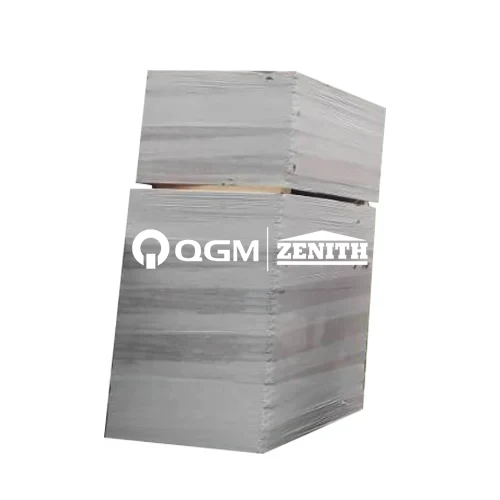
Cement Brick Machine Pallet
QGM/Zenith warmly welcome you to buy Cement Brick Machine Pallet from our factory. Our products are CE certified and currently have a large amount of factory inventory. We will provide you with good service and factory prices.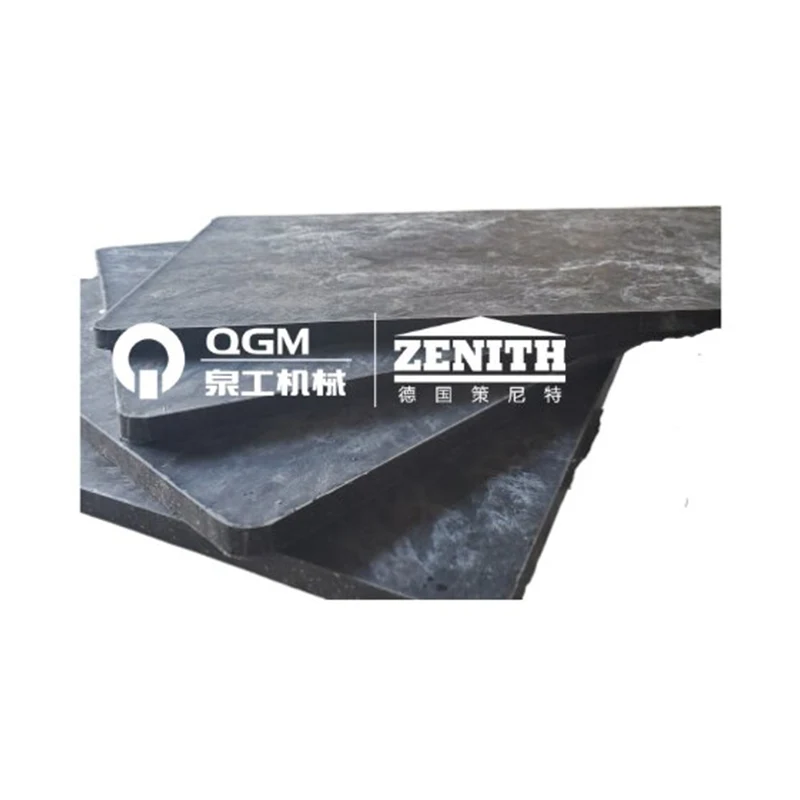
Paver Block Making Machine Pallet
High quality Paver Block Making Machine Pallet is offered by China manufacturer QGM/Zenith. Buy Paver Block Making Machine Pallet which is of high quality directly. It is usually located at the front of the manufacturing machine and is responsible for receiving, temporarily storing and evenly laying the materials on the road surface.
Recycled Material Brick Pallet
QGM/Zenith is one of the famous China Recycled Material Brick Pallet manufacturer and supplier. Our factory specializes in manufacturing of Recycled Material Brick Pallet.This pallet is suitable for brick machine pallets, mainly used for cement brick machine pallets, with high durability and load-bearing capacity.
Durable Concrete Block Board
QGM/Zenith warmly welcome you to buy high quality Durable Concrete Block Board from our factory. We will provide you with good service.Common durable concrete block pallets include light steel brick machine pallets and bamboo glue brick machine pallets.
Precast Concrete Brick Machine Pallet
QGM/Zenith is one of prominent manufacturer, producer, and exporter of Precast Concrete Brick Machine Pallet in China. The pallet is usually made of high-hardness materials, such as fiberglass brick machine board, wood glue brick machine board, bamboo glue brick machine board, etc.
Hollow Block Machinery Pallet
Being a proficient manufacturer, QGM/Zenith aims to offer you top-notch Hollow Block Machinery Pallet. We promise to provide you with the best after-sale support and prompt delivery. Its main function is to protect the blocks from damage during production and transportation, while facilitating stacking and handling. Hollow Block Machinery Pallet is usually made of wood or plastic.
- Related Blog
- Reviews

Related Search
Automatic Block Making MachineryAutomatic Concrete Block Making MachineryBlock Making Machinery MoldCement Block Making Machinery MoldConcrete Block Making MachineryFully automatic block making machineryFully automatic concrete block making machineryHollow Block Making MachineryHydraulic Concrete Block Making Machinery