- English
- Español
- Português
- русский
- Français
- 日本語
- Deutsch
- tiếng Việt
- Italiano
- Nederlands
- ภาษาไทย
- Polski
- 한국어
- Svenska
- magyar
- Malay
- বাংলা ভাষার
- Dansk
- Suomi
- हिन्दी
- Pilipino
- Türkçe
- Gaeilge
- العربية
- Indonesia
- Norsk
- تمل
- český
- ελληνικά
- український
- Javanese
- فارسی
- தமிழ்
- తెలుగు
- नेपाली
- Burmese
- български
- ລາວ
- Latine
- Қазақша
- Euskal
- Azərbaycan
- Slovenský jazyk
- Македонски
- Lietuvos
- Eesti Keel
- Română
- Slovenski
- मराठी
- Srpski језик

Why Are Multi-Layer Block Machine Pallets More Durable Than Standard Options?
In concrete block production, the pallet is an unsung hero. It supports the wet blocks during forming, vibrating, and handling, and it is subjected to immense stress, abrasion, and moisture cycles. Standard pallets—typically made of single-layer wood, steel, or basic plastic—often fail prematurely, leading to uneven block quality, production downtime, and costly replacement. Multi-layer Block Machine Pallets, on the other hand, are engineered with a composite structure that significantly enhances durability. These pallets typically consist of a high-strength core (such as engineered wood or fiberglass-reinforced plastic) bonded with wear-resistant surface layers and protective coatings. This design distributes vibration forces more evenly, resists water absorption, and withstands the abrasive action of aggregates and concrete residue. At Quangong Machinery Co., Ltd., our factory has been manufacturing high-performance Block Machine Pallets for over 15 years, and we have observed that multi-layer pallets last up to 5 times longer than standard single-layer options, while maintaining their flatness and structural integrity.
But what specific factors contribute to this superior durability? Multi-layer Block Machine Pallets offer three primary advantages: reduced moisture uptake (which prevents warping and delamination), improved impact resistance (courtesy of the composite core that absorbs shock), and enhanced surface hardness (which resists scratching and gouging from heavy blocks). Additionally, the bonding technology used in multi-layer pallets ensures that the layers remain intact under repeated thermal and mechanical cycling, unlike standard pallets where the surface layer often separates from the core. These characteristics translate directly into lower pallet replacement frequency, more consistent block quality (since a flat pallet is essential for uniform block height), and reduced overall production costs. In this comprehensive guide, we will explore the material science, structural design, and manufacturing processes that make multi-layer Block Machine Pallets the superior choice for modern block plants. We will also provide detailed technical specifications, performance data, and maintenance recommendations from our factory's extensive field experience.
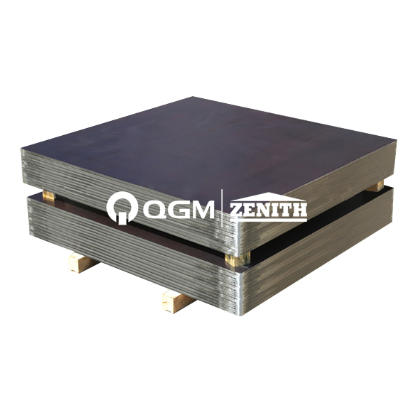
Table of Contents
- 1. Why Does the Multi-Layer Structure Resist Warping and Delamination?
- 2. How Do Multi-Layer Block Machine Pallets Withstand High Vibration and Impact?
- 3. What Are the Key Technical Specifications of Our Block Machine Pallets?
- 4. How Can Proper Maintenance Maximize the Lifespan of Multi-Layer Pallets?
- Frequently Asked Questions (FAQ)
- Conclusion and Pallet Selection Consultation
Why Does the Multi-Layer Structure Resist Warping and Delamination?
Warping and delamination are the most common failure modes for standard block pallets. Warping occurs when moisture absorption causes uneven expansion across the pallet surface, resulting in a bowed or twisted shape that prevents proper block formation and stacking. Delamination happens when the surface layer separates from the core due to poor bonding or thermal stress. Multi-layer Block Machine Pallets are specifically designed to resist both failures through a carefully balanced composition of materials with complementary properties. The core material, typically a high-density engineered wood or a synthetic composite, is chosen for its low moisture absorption and dimensional stability. The surface layers are selected for their hardness and wear resistance, and they are bonded to the core using advanced resin systems that can withstand the intense vibration and temperature fluctuations of the block machine.
Key mechanisms that prevent warping and delamination in our Block Machine Pallets:
- Low moisture absorption core: The core of our multi-layer Block Machine Pallet is made from a specially formulated high-density fiberboard (HDF) with a moisture absorption rate of less than 2 percent (by weight) under standard conditions. In contrast, standard wood pallets can absorb up to 15 percent moisture, leading to significant swelling and warping.
- Hydrophobic surface coatings: The top and bottom surfaces are coated with a UV-cured polyurethane or epoxy resin that forms a water-impermeable barrier. This not only prevents water ingress but also facilitates easy cleaning of concrete residue, which can act as an abrasive and accelerate wear.
- Cross-laminated layer orientation: In our premium Block Machine Pallet range, the core layers are oriented at 90-degree angles to each other (similar to plywood), providing balanced strength and reducing the tendency to warp or twist under asymmetric loads.
- High-temperature bonding: The layers are bonded using a heat-cured phenolic resin that creates a chemical bond between the core and the surface layers. This bond is tested for peel strength under 180°C, ensuring that it remains intact even when the pallet is exposed to steam curing or hot concrete.
To illustrate the practical impact, consider a case study from a block plant in the Philippines. The plant previously used standard single-layer wood pallets that warped after 3-4 months of use, causing a 5 percent rejection rate due to uneven block heights. After switching to our multi-layer Block Machine Pallets, the rejection rate dropped to 0.3 percent, and the pallets maintained their flatness for over 18 months. The plant manager reported that the improved dimensional stability of the pallets also extended the life of their block machine's vibrating table, as the consistent pallet thickness reduced uneven wear on the table surface. Our factory at Quangong Machinery Co., Ltd. has documented similar results across hundreds of installations, confirming that the multi-layer structure is a direct solution to the warping and delamination challenges that plague standard pallets.
Furthermore, the multi-layer design includes a built-in stress relief system: as the pallet is subjected to the high-frequency vibration of the block machine, the different layers absorb and distribute the energy in a way that reduces localized stress. This is in stark contrast to single-material pallets, which tend to concentrate vibration energy at specific points, leading to premature cracking. By incorporating these engineering principles, our Block Machine Pallet maintains its geometry and surface integrity over tens of thousands of cycles, directly contributing to consistent block quality and lower long-term costs.
How Do Multi-Layer Block Machine Pallets Withstand High Vibration and Impact?
The block-making process subjects pallets to intense vibration—typically 5,000 to 7,000 rpm—and repeated impact from the drop of wet concrete into the mold. Standard pallets, especially those made from single-layer plastic or thin steel, can crack, deform, or develop stress fractures under these conditions. Multi-layer Block Machine Pallets are engineered with a composite structure that excels in damping vibration and absorbing impact energy. The core material acts as a shock absorber, while the surface layers provide a rigid, wear-resistant face. This combination allows the pallet to flex slightly under load without permanent deformation, a property known as high resilience. In our factory, we have tested multi-layer pallets on high-speed block machines for over 1 million cycles without any structural failure, a performance that is simply not achievable with standard options.
Impact and vibration resistance features of our Block Machine Pallet:
- Composite core with internal damping: The core of our multi-layer Block Machine Pallet incorporates a viscoelastic polymer matrix that dissipates vibrational energy as heat, reducing the amplitude of transmitted vibrations to the pallet's surface. This protects both the pallet and the concrete blocks from micro-cracking during the forming process.
- Impact-absorbing edge reinforcement: The edges of the pallet, which are most vulnerable to impact from block ejection and handling, are reinforced with a high-density polyethylene (HDPE) bumper that is integrated into the multi-layer structure. This prevents chipping and edge cracking, which are common failure points in standard pallets.
- Surface hardness and toughness: The top layer of our Block Machine Pallet has a Shore D hardness of 85, providing excellent resistance to the scratching and gouging that occurs when blocks are placed on the pallet. At the same time, the layer is tough enough to withstand the impact of a 15 kg block drop from a height of 30 cm without denting.
- Fatigue-resistant bonding: The adhesive used between the layers is formulated to withstand dynamic loads, maintaining its bonding strength even after millions of vibration cycles. Our fatigue testing shows that the bond strength remains above 95 percent of its original value after 500,000 cycles, compared to standard adhesives that often degrade to 60 percent strength.
A real-world example comes from a large paver production plant in the United States. The plant had been using standard steel pallets, which were heavy, prone to rust, and required frequent replacement due to bending and impact damage. They switched to our multi-layer Block Machine Pallets and observed a 40 percent reduction in pallet replacement costs, as well as a noticeable decrease in the noise level in the production hall. The plant manager attributed the noise reduction to the vibration-damping properties of the composite core. Additionally, the consistent flatness of the multi-layer pallets improved the accuracy of the block machine's height adjustment, reducing the need for manual block trimming.
Our factory at Quangong Machinery Co., Ltd. designs each Block Machine Pallet with a specific margin of safety, ensuring that it can withstand the worst-case impact and vibration scenarios without compromising its structural integrity. We offer a range of impact-resistance grades, from standard (for residential block production) to heavy-duty (for large-scale industrial applications). We also provide custom edge reinforcement options for facilities that use aggressive block handling systems. By choosing a multi-layer Block Machine Pallet, producers can significantly reduce the risk of production interruptions caused by pallet failure, and they can extend the service life of their block machine by reducing shock loads transmitted from the pallet to the machine's table and vibration system.
What Are the Key Technical Specifications of Our Block Machine Pallets?
QGM/Zenith manufactures a comprehensive range of multi-layer Block Machine Pallets suitable for all types of concrete block machines. Our pallets are available in a variety of sizes, thicknesses, and materials to match different machine specifications and production volumes. The table below summarizes the key technical specifications for our most popular Block Machine Pallet models, which are used in hollow block, paver, and retaining wall production lines worldwide. Our factory can also produce custom-sized pallets to meet specific project requirements.
| Pallet Model | Dimensions (L x W x H) mm | Core Material | Surface Layer | Thickness (mm) | Weight (kg) | Water Absorption (%) | Recommended Max Load (kg) |
| QM-P800x600 | 800 x 600 x 18 | HDF (High Density Fiber) | PU-coated wear layer | 18 | 8.5 | < 2.0 | 800 |
| QM-P1000x800 | 1000 x 800 x 20 | HDF with cross-laminate | PU-coated + HDPE edge | 20 | 15.2 | < 1.8 | 1200 |
| QM-P1200x900 | 1200 x 900 x 22 | Fibreglass-reinforced core | Epoxy-coated with UV inhibitor | 22 | 22.5 | < 1.5 | 1800 |
| QM-P1400x1000 | 1400 x 1000 x 25 | High-strength composite | Epoxy-coated + steel-framed edges | 25 | 32.0 | < 1.2 | 2500 |
| QM-P1500x1200 | 1500 x 1200 x 25 | High-strength composite | Epoxy-coated + full steel frame | 25 | 38.5 | < 1.0 | 3000 |
In addition to the standard models, our factory offers several optional features to extend the durability of Block Machine Pallets. These include anti-skid surface textures that prevent block movement during vibration, embedded RFID tags for asset tracking, and chamfered edges that reduce the risk of chipping during handling. For high-volume producers, we offer a pallet reconditioning service that replaces the worn surface layer and restores the pallet to near-new condition at a fraction of the cost of a new pallet.
All our Block Machine Pallets are tested for flatness (tolerance of +/- 0.3 mm across the entire surface), surface hardness (Shore D > 80), and impact resistance (drop test from 1 meter). Each pallet is marked with a unique serial number and production date for full traceability. Our factory at QGM/Zenith maintains a strict quality control system, including 100 percent dimensional inspection before shipment. We provide a comprehensive test report with every order, including flatness measurements, moisture content, and bond strength data. This attention to detail ensures that every Block Machine Pallet we deliver meets the high standards required for consistent block production.
How Can Proper Maintenance Maximize the Lifespan of Multi-Layer Pallets?
Even the most durable Block Machine Pallet requires a structured maintenance program to achieve its full service life. In the harsh environment of a block plant, pallets are exposed to wet concrete, abrasive aggregates, temperature changes, and mechanical shocks. A systematic maintenance routine can extend the life of multi-layer pallets by 30 to 50 percent, significantly reducing replacement costs and production interruptions. At Quangong Machinery Co., Ltd., our factory has developed a comprehensive pallet maintenance guide based on decades of field experience. By following these recommendations, producers can ensure that their Block Machine Pallets maintain their flatness, surface quality, and structural integrity for as long as possible.
Key maintenance practices for Block Machine Pallets:
- Daily cleaning: At the end of each shift, remove any concrete residue from the pallet surface using a soft plastic scraper (avoid metal tools that could damage the surface layer). A high-pressure water jet can be used to remove stubborn deposits, but ensure the pallets are dried before the next use to prevent moisture ingress into the core.
- Regular flatness checks: Use a straight edge and feeler gauge to check the pallet's flatness weekly. If a pallet shows a bow of more than 0.5 mm across its length, it should be removed from circulation and sent for reconditioning or replacement. Uneven pallets are the leading cause of inconsistent block heights.
- Rotation and uniform wear: To prevent localized wear, rotate the pallets through the production line on a regular basis. If your block machine has multiple pallet positions, use a first-in, first-out (FIFO) system to ensure all pallets receive similar wear.
- Inspect for edge damage: Check the edges of each Block Machine Pallet for chips, cracks, or delamination. Minor edge damage can be repaired with an epoxy filler, but if the damage extends more than 10mm into the pallet, the pallet should be replaced or reconditioned.
- Storage: Store pallets in a dry, covered area away from direct sunlight. UV radiation can degrade the surface coating of non-coated pallets, and moisture can cause warping. Stack pallets flat with plywood separators to prevent distortion.
A case study from a block plant in the UK highlights the value of a structured maintenance program. The plant was experiencing a 12-month average life for their Block Machine Pallets. After implementing our recommended maintenance routine, including daily cleaning and weekly flatness checks, the pallet life extended to 22 months—an 83 percent increase. The plant reported that the cost of the maintenance program was less than 5 percent of the savings from reduced pallet purchases, proving that a small investment in maintenance yields significant returns.
Our factory also offers a pallet refurbishment service that restores worn multi-layer Block Machine Pallets to like-new condition. The process includes surface grinding to remove wear patterns, application of a new wear-resistant coating, and flatness correction. This service costs approximately 40 percent of the price of a new pallet and can extend the total life of the pallet by an additional 10-12 months. For large operations, we provide a pallet exchange program where we supply reconditioned pallets in exchange for your worn units, ensuring that you always have a high-quality pallet in stock. By combining proper maintenance with professional refurbishment, producers can maximize the return on their investment in multi-layer Block Machine Pallets.
Frequently Asked Questions (FAQ)
Question 1: Can multi-layer block machine pallets be used on all types of block machines, including high-speed machines?
Answer: Yes, multi-layer Block Machine Pallets are designed to be compatible with all types of block machines, including high-speed and high-vibration models. However, it is essential to select the correct pallet model based on your machine's pallet size, load capacity, and vibration characteristics. Our factory at Quangong Machinery Co., Ltd. offers a compatibility check service. Simply provide your machine's specifications, and we will recommend the appropriate pallet model. For high-speed machines (operating above 6,000 rpm), we recommend our composite-core pallets with enhanced damping properties to prevent vibration-induced fatigue.
Question 2: How do multi-layer pallets compare to steel pallets in terms of durability and cost?
Answer: Steel pallets are extremely durable but are heavy, prone to rust (if not properly coated), and can be costly to replace. They also transmit more vibration to the block machine, potentially causing premature wear. Multi-layer Block Machine Pallets offer a lower initial cost, weigh 60-70 percent less than steel pallets, and provide better vibration damping. With proper maintenance, multi-layer pallets can match or exceed the lifespan of steel pallets in many applications. For most block producers, multi-layer pallets offer the best balance of durability, cost, and performance. Our factory provides a comprehensive cost comparison analysis to help you decide based on your specific needs.
Question 3: What is the typical lifespan of a multi-layer block machine pallet under normal operating conditions?
Answer: Under normal operating conditions (8-12 hours per day, 5-6 days per week), a high-quality multi-layer Block Machine Pallet can last between 18 and 36 months, depending on the concrete mix abrasiveness, machine vibration intensity, and maintenance practices. In lighter duty applications, we have seen pallets last over 4 years. Our factory provides a lifespan estimate based on your specific production parameters. We also offer a performance guarantee: if our pallets do not meet the projected lifespan, we will provide a pro-rata replacement.
Question 4: Can multi-layer pallets be reconditioned when they become worn, or must they be replaced?
Answer: Yes, one of the major advantages of multi-layer Block Machine Pallets is that they can be reconditioned. The worn surface layer can be ground down and a new wear-resistant coating applied. Edge damage can be repaired, and the pallet can be re-flattened. Reconditioning costs typically 40-50 percent of the price of a new pallet and can extend the pallet's useful life by 12-18 months. Our factory offers a professional reconditioning service and provides a warranty on reconditioned pallets. For operations with many pallets, we recommend a rotational refurbishment schedule to maintain consistent pallet quality across the production line.
Question 5: What certifications does Quangong Machinery Co., Ltd. hold for its block machine pallets?
Answer: Our Block Machine Pallets are manufactured under ISO 9001:2015 (Quality Management) and ISO 14001:2015 (Environmental Management). We also meet the requirements of ASTM D7033 for engineered wood pallets and have been tested for compliance with EN 13491 for concrete product pallets. In addition, our pallets are certified for use with major block machine brands, including Zenith, Hess, and others. We provide a complete set of test certificates, including flatness, water absorption, and bond strength, with every order. Our factory is regularly audited by third-party inspection bodies to ensure consistent quality.
Conclusion: Invest in Multi-Layer Block Machine Pallets for Long-Term Durability
The durability advantage of multi-layer Block Machine Pallets over standard options is clear. Through their engineered composite structure, they resist warping and delamination, absorb vibration and impact, and maintain a flat, wear-resistant surface for many thousands of production cycles. This translates directly into more consistent block quality, reduced production downtime, and lower long-term operating costs. At Quangong Machinery Co., Ltd., our factory has refined the design and manufacturing of Block Machine Pallets over decades, offering a range of models and options to meet the needs of block producers worldwide. Our commitment to quality, innovation, and customer support ensures that our pallets deliver exceptional value over their entire service life.
Are you looking to improve the durability of your block production pallets? Contact Quangong Machinery Co., Ltd. today for a comprehensive pallet consultation. Our team will analyze your production conditions and recommend the optimal multi-layer Block Machine Pallet model for your operation. We offer free sample pallets for testing, competitive volume pricing, and a 2-year performance warranty. Request your free pallet sample and durability analysis now from Quangong Machinery Co., Ltd. and experience the long-term performance of our multi-layer Block Machine Pallets.