- English
- Español
- Português
- русский
- Français
- 日本語
- Deutsch
- tiếng Việt
- Italiano
- Nederlands
- ภาษาไทย
- Polski
- 한국어
- Svenska
- magyar
- Malay
- বাংলা ভাষার
- Dansk
- Suomi
- हिन्दी
- Pilipino
- Türkçe
- Gaeilge
- العربية
- Indonesia
- Norsk
- تمل
- český
- ελληνικά
- український
- Javanese
- فارسی
- தமிழ்
- తెలుగు
- नेपाली
- Burmese
- български
- ລາວ
- Latine
- Қазақша
- Euskal
- Azərbaycan
- Slovenský jazyk
- Македонски
- Lietuvos
- Eesti Keel
- Română
- Slovenski
- मराठी
- Srpski језик
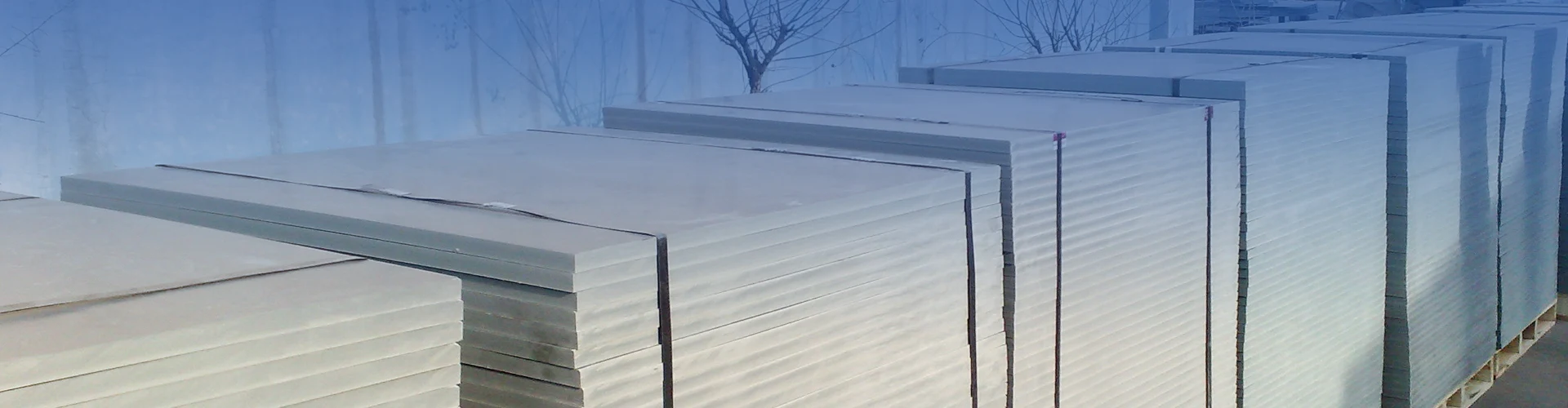
Hollow Block Machine
The Hollow Block Machine is a specialized production system designed specifically for manufacturing lightweight, high-strength hollow concrete blocks used in modern construction. By optimizing material distribution and compaction around core cavities, this equipment produces blocks that offer superior thermal insulation, reduced structural weight, and improved construction efficiency compared to solid alternatives. Our Hollow Block Machine combines precision cavity-forming technology with robust hydraulic power to deliver consistent, high-quality hollow blocks across a wide range of applications.
Cavity Geometry & Structural Performance
The defining characteristic of hollow blocks is their internal cavity structure, which significantly influences both product performance and material economics. Our Hollow Block Machine enables precise control over cavity geometry through advanced core-pull technology:
• Core configuration flexibility: Interchangeable core sets allow production of blocks with 2, 3, or 4 cavities, as well as specialized geometries for specific applications (reinforced blocks, partition blocks, etc.).
• Wall thickness consistency: The machine maintains face shell thickness (typically 20–30mm) and web thickness (20–25mm) within ±1.0mm across all cavities, ensuring uniform structural integrity.
• Core taper optimization: Internal cores feature a 1.5°–2.0° taper for smooth demolding, reducing friction and preventing cavity surface damage.
• Material displacement control: The vibration system is tuned to ensure uniform material distribution around all core surfaces, preventing thin spots or voids in cavity walls.
| Cavity Configuration | Typical Dimensions (mm) | Wall Thickness (mm) | Weight Reduction | Application |
| 2-Cavity | 400×200×200 | 25–30 | 40%–45% | Load-bearing exterior walls |
| 3-Cavity | 400×200×200 | 22–28 | 45%–50% | Interior walls, partitions |
| 4-Cavity | 400×200×200 | 20–25 | 50%–55% | Non-load bearing, insulation cores |
| Specialty (reinforced) | Custom | 30–35 | 30%–35% | Reinforced/grouted applications |
This precision in cavity formation ensures that each block achieves its intended structural function while maximizing material efficiency.
Material Density & Strength Optimization
Hollow blocks present a unique compaction challenge: the internal cavities create a non-uniform density profile that can lead to weak zones if not properly managed. Our Hollow Block Machine addresses this through zoned vibration technology:
• Zone 1 — Cavity Zone: Lower vibration amplitude (0.3–0.5mm) to prevent core deformation while ensuring face shell compaction.
• Zone 2 — Web Zone: Higher vibration amplitude (0.8–1.0mm) to achieve full compaction in the narrow web areas between cavities.
• Zone 3 — Face Zone: Intermediate amplitude (0.6–0.8mm) to produce a dense, smooth surface finish.
This zoned approach achieves uniform density distribution throughout the block, with density variation across different zones typically below 3%—significantly better than conventional machines where variation can exceed 8%.
The result: hollow blocks with compressive strengths of 15–25 MPa (depending on mix design) that consistently meet or exceed ASTM C90, BS EN 771, and other international standards.
Productivity & Cycle Efficiency
Hollow block production requires careful management of material fill, vibration, and demolding to achieve high output without compromising quality. Our Hollow Block Machine delivers exceptional productivity through:
| Model | Cavities per Cycle | Cycle Time (s) | Blocks per Hour | Blocks per Shift (8h) |
| HBM-4 | 4 | 18–22 | 650–800 | 5,200–6,400 |
| HBM-6 | 6 | 15–20 | 1,080–1,440 | 8,640–11,520 |
| HBM-8 | 8 | 12–16 | 1,800–2,400 | 14,400–19,200 |
| HBM-10 | 10 | 10–14 | 2,570–3,600 | 20,560–28,800 |
High-speed demolding capability: The machine's progressive ejector system allows early demolding (as early as 8–10 seconds after vibration) without product deformation, enabling shorter cycle times and higher daily output.
Energy & Material Efficiency Analysis
Hollow block production inherently consumes less material than solid blocks, but the efficiency of the block machine itself is equally important for operational cost management:
| Efficiency Parameter | Our Hollow Block Machine | Industry Average | Advantage |
| Material Usage per Hollow Block | 55%–60% of solid equivalent | 58%–65% of solid equivalent | 3%–5% material savings |
| Energy per Hollow Block (kWh) | 0.025–0.035 | 0.035–0.050 | 25%–30% lower |
| Cycle Energy Efficiency (blocks/kWh) | 29–40 | 20–29 | 30%–40% higher |
| Hydraulic Oil Consumption (L/year) | 25–35 (top-up) | 40–60 | 35%–40% lower |
| Wear Part Cost per Hollow Block ($) | 0.003–0.004 | 0.006–0.008 | 40%–50% lower |
These efficiency advantages cumulatively contribute to a more competitive cost structure, enabling higher profit margins or more aggressive pricing in the marketplace.
Competitive Benchmarking — Hollow Block Machine Comparison
The Hollow Block Machine market includes a variety of options. The following comparison highlights the key differentiators of our equipment:
| Parameter | Our Hollow Block Machine | Budget Hollow Block Press | Imported Premium Machine | Multi-Purpose Block Machine |
|---|---|---|---|---|
| Core Demolding System | Progressive servo-pull, taper optimized | Fixed core, manual demolding | Servo-pull, active control | Standard core, limited optimization |
| Face Shell Density (kg/m³) | 1,850–2,100 | 1,650–1,850 | 1,900–2,150 | 1,750–1,950 |
| Web Density (kg/m³) | 1,800–2,050 | 1,550–1,750 | 1,850–2,100 | 1,700–1,900 |
| Density Variation (face vs. web) | <3% | 8%–12% | <2% | 6%–10% |
| Maximum Cavities per Cycle | 10 (for 400×200 blocks) | 6 | 12 | 8 |
| Minimum Wall Thickness Capability | 20 mm | 25 mm | 18 mm | 25 mm |
| Block Height Range (mm) | 50–300 | 100–250 | 40–350 | 80–280 |
| Core Damage Rate (%) | <0.5% | 2%–3% | <0.3% | 1.5%–2.5% |
| Mold Changeover Time | 15–20 minutes | 30–45 minutes | 10–15 minutes | 25–35 minutes |
| 5-Year Cost of Operation ($) | 155,000–185,000 | 195,000–235,000 | 290,000–380,000 | 170,000–210,000 |
Application-Specific Configurations
Hollow Block Machine serve diverse construction applications, each with specific performance requirements. Our machine supports optimized production for each application through adjustable parameters and specialized mold sets:
• Load-Bearing Hollow Blocks (15–25 MPa): Higher cement content (12%–15%), increased compaction pressure, denser face shells (25–30mm). Used in multi-story structures, commercial buildings.
• Partition Hollow Blocks (7–15 MPa): Lower cement content (8%–10%), lighter weight, thinner face shells (20–25mm). Used in internal walls, non-load-bearing applications.
• Insulation Hollow Blocks (5–12 MPa): Lightweight aggregate content up to 50%, extended cavity volume, reduced face shell thickness. Used in energy-efficient construction.
• Grouted Hollow Blocks: Block cavities designed to accommodate reinforcing steel and grout. Feature larger cavities and thicker webs. Used in earthquake-prone regions and heavy-load applications.
By adjusting vibration frequency, hydraulic pressure, and dwell time, the same machine can efficiently produce all these block types with minimal reconfiguration.
Frequently Asked Questions
Q1: What hollow block sizes can the machine produce?
The machine supports block heights from 50mm to 300mm, and widths/lengths within the mold frame capacity (typically 850×1100mm to 1100×1400mm). Common sizes include 400×200×200mm, 400×150×200mm, 390×190×190mm, and 600×200×200mm for modular construction.
Q2: How does the machine prevent block breakage during demolding?
The machine uses a multi-stage demolding system: first, the cores are retracted at a controlled speed (0.3–0.5 m/s), followed by a brief pause for material relaxation, then the ejector plate raises the block. This staged sequence reduces demolding stress by approximately 40% compared to single-action demolding.
Q3: Can the machine produce hollow blocks with lightweight aggregates?
Yes. Lightweight aggregates (pumice, expanded clay, perlite) are fully compatible. For such materials, we recommend using lower vibration amplitudes (0.4–0.7mm) and slightly longer dwell times to prevent aggregate segregation and achieve uniform compaction.
Q4: What is the typical core replacement frequency?
Core assemblies (the internal shapes that form the cavities) typically last 30,000–50,000 cycles before requiring refurbishment or replacement. Wear is accelerated by abrasive aggregates; using pre-ground aggregates extends core life.
Q5: Does the machine support hollow block production with fly ash content?
Yes. Fly ash contents up to 30% of cement weight are fully compatible. Higher fly ash content may require slight adjustments to the compaction cycle (longer dwell time) to achieve target density and strength.
Related Products


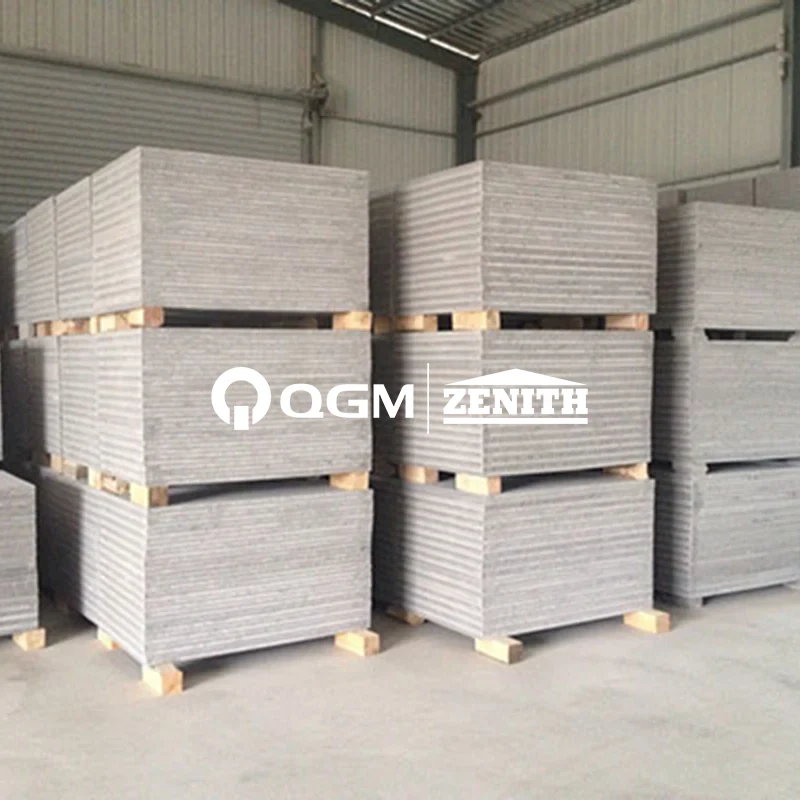


Hot Products
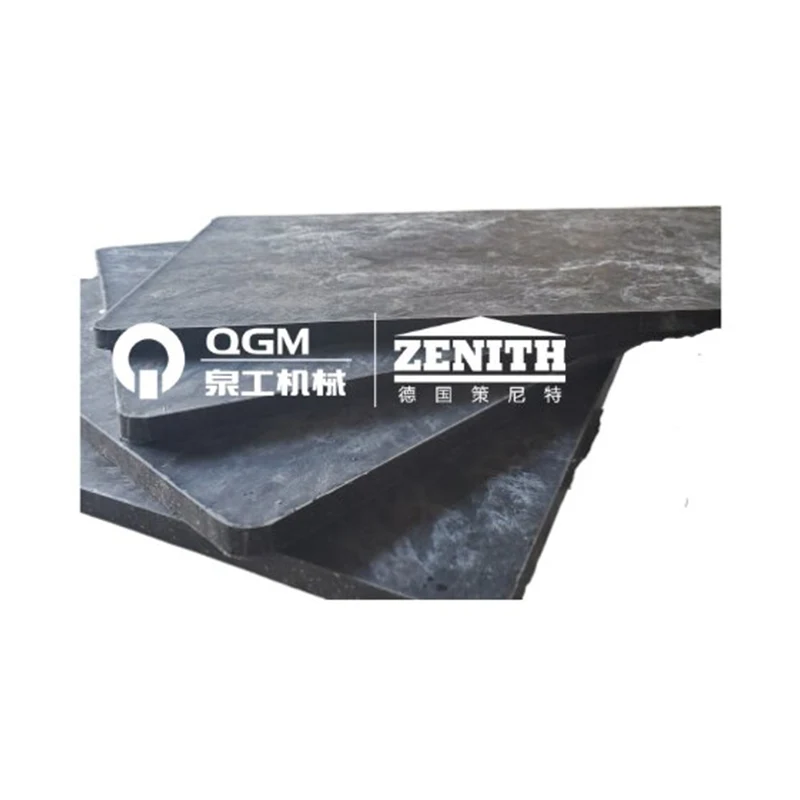
Paver Block Making Machine Pallet
High quality Paver Block Making Machine Pallet is offered by China manufacturer QGM/Zenith. Buy Paver Block Making Machine Pallet which is of high quality directly. It is usually located at the front of the manufacturing machine and is responsible for receiving, temporarily storing and evenly laying the materials on the road surface.
Industrial Grade Brick Board
QGM/Zenith is a professional Industrial Grade Brick Board manufacturer and supplier in China, you can rest assured to buy Industrial Grade Brick Board from our factory and we will offer you the best after-sale service and timely delivery.These pallets play a vital role in brick machine production, which can effectively reduce the wear of the board body and improve production efficiency and product quality.
Multipurpose Block Machine Board
Welcome to buy Multipurpose Block Machine Board from our factory at any time. We will provide you with factory discount prices for our products. QGM/Zenith is Multipurpose Block Machine Board manufacturer and supplier in China. Multipurpose Block Machine Board is an auxiliary equipment used to hold up brick embryos during the production process of brick machines, and is widely used in concrete block production lines.
Concrete Paver Board
One of the Chinese companies offering Concrete Paver Board for buy is QGM/Zenith. For you, we can offer better pricing and competent service. Should you be intrigued by Concrete Paver Board, kindly get in touch with us. We adhere to the standard of conscience-driven, committed service at the cost of quality assurance.OneWe adhere to the standard of conscience-priced, devoted service, so you can feel secure.
Green Building Block Board
QGM/Zenith is a proficient manufacturer and supplier of Green Building Block Board in China. If you're searching for the Green Building Block Board at an affordable price, get in touch with us right away! The Green Building Block Machine Pallet can be used in a variety of building block machine production lines, such as concrete block machines, cement block machines and brick machines.
Multipurpose Block Machine Pallet
QGM/Zenith is one of professional leader China Multipurpose Block Machine Pallet manufacturer with high quality and reasonable price. Welcome to contact us.The four corners of the bottom of the pallet body are fixedly connected with legs. The pallet body is provided with an installation chamber.
- Related Blog
- Reviews