- English
- Español
- Português
- русский
- Français
- 日本語
- Deutsch
- tiếng Việt
- Italiano
- Nederlands
- ภาษาไทย
- Polski
- 한국어
- Svenska
- magyar
- Malay
- বাংলা ভাষার
- Dansk
- Suomi
- हिन्दी
- Pilipino
- Türkçe
- Gaeilge
- العربية
- Indonesia
- Norsk
- تمل
- český
- ελληνικά
- український
- Javanese
- فارسی
- தமிழ்
- తెలుగు
- नेपाली
- Burmese
- български
- ລາວ
- Latine
- Қазақша
- Euskal
- Azərbaycan
- Slovenský jazyk
- Македонски
- Lietuvos
- Eesti Keel
- Română
- Slovenski
- मराठी
- Srpski језик
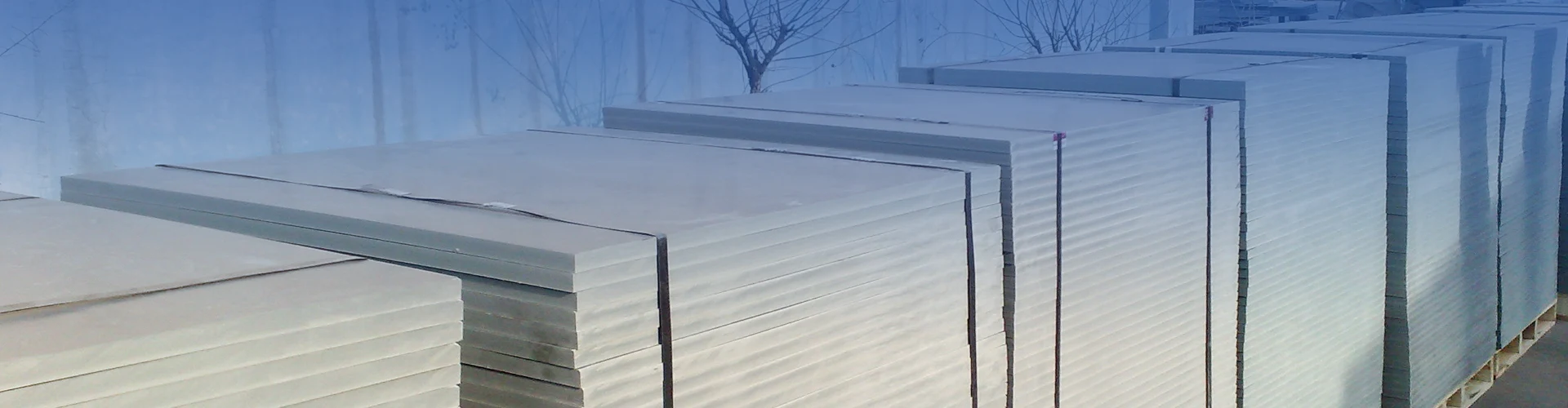
Concrete Block Making Machine
The Concrete Block Making Machine is the result of extensive field engineering and real-world production experience. Designed for concrete product manufacturers who need dependable performance, consistent output quality, and predictable operating costs, this machine addresses the practical realities of daily production – material variability, shift changes, and the need for rapid response to changing order requirements.
At its core, this system is built around a fundamental engineering principle: stability drives quality. By ensuring that every component – from the vibration unit to the pallet system – maintains its precision under continuous operation, the machine delivers results that are repeatable, measurable, and reliable. This focus on stability reduces the variables that typically cause quality variation, making it easier for operators to maintain consistent production standards regardless of external conditions.
The Steel Pallet
The steel pallet is often overlooked as a critical component, yet it directly influences every aspect of the forming process. Our approach to pallet manufacturing reflects a commitment to engineering excellence that extends across the entire production chain:
• The Geometry Standard: Through CNC aerated bidirectional linear cutting, we establish a baseline of dimensional accuracy that other manufacturers often treat as optional. This ensures that the pallet provides a perfectly uniform forming surface – a prerequisite for consistent product thickness and density.
• The Edge Finishing Protocol: Robotic systems perform smoothing and polishing operations on all corners, followed by a steel-brushing and pressing sequence. This multi-stage process produces edges that are not only safe for handling but also resistant to the chipping and wear that typically occur with less refined finishing methods.
• The Stress-Relief Principle: Residual stresses from cutting are systematically neutralized in both horizontal and vertical axes. This engineering step is non-negotiable in our process because we recognize that even microscopic stress concentrations can lead to macro-scale deformation under the repetitive loading of the vibration cycle.
• The Flatness Verification System: A two-stage correction process combined with automated 100% inspection ensures that every pallet meets the required flatness specification before it reaches your production line. This eliminates the variability that often arises from supplier-to-supplier differences in pallet quality.
Thickness Selection
The selection of pallet thickness involves trade-offs between initial cost, durability, and forming performance. For curb stone applications with a 600kg per pallet load capacity, we offer the following engineering options:
| Steel Pallet (L×W) | Product | Load Condition | Raw Material | Thickness (mm) |
| 1400 × 1000 mm | Curb Stone | Up to 600kg | KS SS400 / DIN St 44.2 | 15 / 16 / 18 |
| 1400 × 1000 mm | Curb Stone | Up to 600kg | KS SS490 / DIN St 50.2 / DIN St 52.3 | 15 / 16 / 18 |
Steel Pallet Performance Metrics
From an engineering perspective, steel pallets offer measurable advantages across key performance indicators. The following table provides a technical comparison with alternative pallet materials:
| Parameter | Steel Pallet Performance |
| Durability | Designed for high-cycle applications – fatigue resistance exceeds that of wood or plastic by an order of magnitude |
| Waste | Fully recyclable at end of life – supports closed-loop material flow |
| End-of-life value | Scrap metal recovery offsets a portion of the initial capital expenditure |
| Environmental impact | No chemical treatments, no preservatives, no coatings – completely inert throughout service life |
| Product strength | Excellent > Wood / Plastic – rigid support maximizes compaction efficiency and green strength |
| Mold block strength | Excellent > Wood / Plastic – maintains dimensional integrity under sustained compression |
| Finished product appearance | Superior surface quality > Wood / Plastic – precision surface eliminates texture transfer issues |
| Elastic modulus | 200 GPa (rigid support) > Wood / Plastic – deflection characteristics are predictable and consistent |
| Vibration transmission rate | High (enhances compaction efficiency) > Wood / Plastic – energy transfer is direct and efficient |
How We Differentiate from Competition?
The concrete block forming equipment market includes a range of solutions, but the differences in engineering depth and manufacturing quality have significant implications for end users. The following comparison highlights key differentiators:
| Differentiator | Our Concrete Block Making Machine | Competitor A (Premium) | Competitor B (Value Segment) |
| Pallet Manufacturing Standard | CNC cutting + stress relief + 100% inspection | CNC cutting, stress relief not standard | Conventional cutting, no stress relief |
| Dimensional Tolerance | ±0.5 mm | ±1.5 mm | ±3.0 mm |
| Material Grade Flexibility | 5 standard grades available | 2-3 grades available | Single grade |
| Edge Finishing | Robotic + brushing/pressing | Robotic only | Manual grinding |
| Flatness Verification | 100% automated inspection | Sampling (10-20%) | Visual / manual check |
| Expected Pallet Service Life | 3 – 5 years | 2 – 3 years | 12 – 18 months |
| Vibration Control System | Closed-loop with feedback | Open-loop with basic monitoring | Manual / fixed parameters |
| Rejection Rate (Typical) | < 1.5% | 2 – 4% | 5 – 8% |
| End-of-Life Asset Recovery | 20-30% of initial value | 10-15% (mixed grades) | 5-10% (low-grade steel) |
| Lead Time for Replacement Pallets | 4-6 weeks | 6-8 weeks | 8-12 weeks |
Maintenance Strategy – Proactive, Not Reactive
The Concrete Block Making Machine is designed to minimize the frequency and complexity of maintenance interventions. Our approach to maintenance planning is based on three principles:
• Component Accessibility: All regularly serviced components are positioned for clear access, reducing the time required for inspection and replacement. This design choice is particularly valuable during shift changes or when rapid intervention is needed to maintain production schedules.
• Wear Prediction: By analyzing historical performance data, we can predict when components are likely to require service. This enables maintenance to be scheduled during planned downtime rather than in response to unexpected failures, reducing production interruptions and the associated costs.
• Standardization of Parts: Where components require periodic replacement, we use standardized, readily available parts. This simplifies inventory management and reduces the risk of extended downtime waiting for specialized components.
• Operator-Friendly Diagnostics: The control system provides clear diagnostic indicators that enable operators to identify issues quickly and accurately. This reduces troubleshooting time and minimizes the need for external technical support for routine issues.
Frequently Asked Questions
Q1: What distinguishes this machine from other concrete block forming equipment on the market?
A: The key differentiators are the precision engineering of the pallet system, including stress relief and 100% inspection, and the closed-loop vibration control system. These features result in lower rejection rates, longer pallet service life, and more consistent product quality than typical alternatives.
Q2: How does the machine perform with different types of aggregates?
A: The Concrete Block Making Machine is designed to accommodate a range of aggregate types – from fine sands to coarse gravels. The vibration parameters can be adjusted to achieve optimal compaction for each specific mix formulation. Our engineering team can provide guidance on parameter settings based on your raw materials.
Q3: What is the typical return on investment period?
A: Based on typical production volumes and current market conditions, the return on investment period ranges from 18 to 30 months. This is driven by reduced rejection rates, lower maintenance costs, extended pallet service life, and the scrap value recovery at end of life.
Q4: Can the machine be operated by existing staff without extensive retraining?
A: Yes, the control interface is designed to be intuitive and straightforward. Most operators with experience in concrete forming equipment can become proficient with the basic functions within 1-2 shifts. Comprehensive training materials and on-site instruction are provided as part of the installation process.
Q5: What happens if the machine encounters an unexpected problem during operation?
A: The control system provides clear diagnostic indicators that identify the nature and location of the issue. In most cases, operators can resolve the problem using the guidance provided in the documentation. For more complex issues, our technical support team is available for remote assistance or on-site service.
Related Products


Hot Products

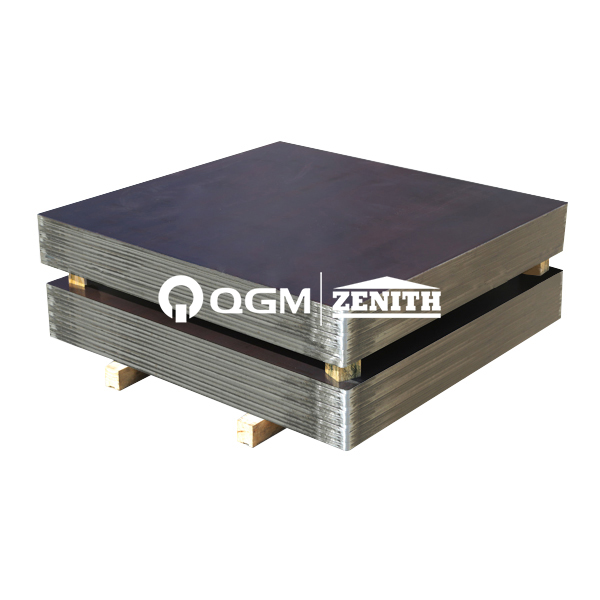
Unburned Brick Machine Pallet
You can rest assured to buy Unburned Brick Machine Pallet from QGM/Zenith. We look forward to cooperating with you, if you want to know more, you can consult us now, we will reply to you in time! The unburned brick machine pallet plays a vital role in the production process of the unburned brick machine, ensuring that the brick embryo will not be damaged during transportation and handling.
Energy-Efficient Brick Machine Pallet
QGM/Zenith is Energy-Efficient Brick Machine Pallet manufacturer and supplier in China. We can provide professional service and better price for you. Energy-Efficient Brick machine Pallet refers to the auxiliary equipment used to hold up the brick embryo during the production process of the brick machine.If you interested in products, please contact with us. We follow the quality of rest assured that the price of conscience, dedicated service.
Industrial Grade Brick Machine Pallet
Find a huge selection of Industrial Grade Brick Machine Pallet from China at QGM/Zenith. Provide professional after-sales service and the right price, looking forward to cooperation. Industrial Grade Brick machine Pallet is an indispensable tool in masonry construction, mainly used to protect bricks and improve construction quality.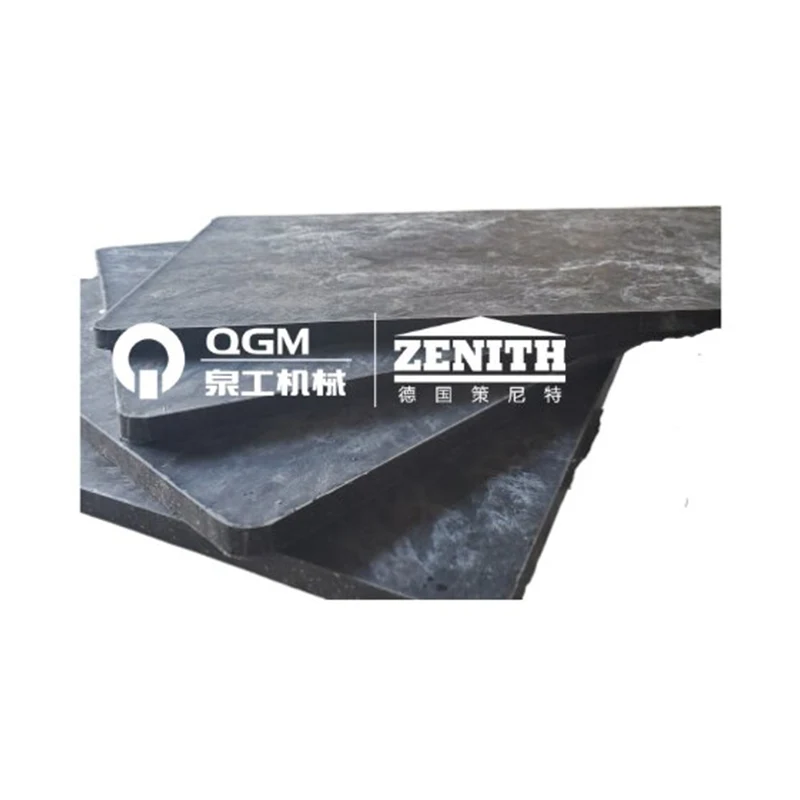
Paver Block Making Machine Pallet
High quality Paver Block Making Machine Pallet is offered by China manufacturer QGM/Zenith. Buy Paver Block Making Machine Pallet which is of high quality directly. It is usually located at the front of the manufacturing machine and is responsible for receiving, temporarily storing and evenly laying the materials on the road surface.
Durable Concrete Block Board
QGM/Zenith warmly welcome you to buy high quality Durable Concrete Block Board from our factory. We will provide you with good service.Common durable concrete block pallets include light steel brick machine pallets and bamboo glue brick machine pallets.
Clay Brick Machine Board
You can rest assured to buy Clay Brick Machine Board from QGM/Zenith factory and we will offer you the after-sale service and timely delivery.Its main function is to hold up the brick embryo during the brick making process to ensure the smooth progress of brick making.
- Related Blog
- Reviews

Related Search
Automatic Concrete Block Making MachineAutomatic Concrete Block Making MachineryConcrete Block Making MachineryFully automatic concrete block making machineFully automatic concrete block making machineryHydraulic Concrete Block Making MachineHydraulic Concrete Block Making MachineryIndustrial Concrete Block Making Machine