- English
- Español
- Português
- русский
- Français
- 日本語
- Deutsch
- tiếng Việt
- Italiano
- Nederlands
- ภาษาไทย
- Polski
- 한국어
- Svenska
- magyar
- Malay
- বাংলা ভাষার
- Dansk
- Suomi
- हिन्दी
- Pilipino
- Türkçe
- Gaeilge
- العربية
- Indonesia
- Norsk
- تمل
- český
- ελληνικά
- український
- Javanese
- فارسی
- தமிழ்
- తెలుగు
- नेपाली
- Burmese
- български
- ລາວ
- Latine
- Қазақша
- Euskal
- Azərbaycan
- Slovenský jazyk
- Македонски
- Lietuvos
- Eesti Keel
- Română
- Slovenski
- मराठी
- Srpski језик
China Concrete Block Machine Manufacturer, Supplier, Factory
The Concrete Block Machine is the product of decades of field experience and continuous engineering refinement. Designed for concrete block manufacturers who require uncompromising quality, dependable uptime, and predictable operating costs, this machine addresses the real-world challenges of production – from material variability and shift changes to equipment wear and maintenance demands. It is built to perform in the environments where other machines struggle, delivering consistent results regardless of operating conditions.
The machine's engineering philosophy is straightforward: simplify where possible, reinforce where necessary, and precision-engineer where it matters most. This approach has resulted in a forming system that is both robust and refined – capable of withstanding the rigors of continuous production while maintaining the precision required for high-quality concrete products. The result is a machine that becomes more valuable over time, as operators learn its capabilities and production managers rely on its consistency.
Performance Data – Measured and Verified
The advantages of steel pallets are supported by measurable performance data. The following table provides a technical comparison with alternative pallet materials:
| Parameter | Steel Pallet Performance |
| Durability | Tested for high-cycle applications – fatigue resistance exceeds wood and plastic by a significant margin |
| Waste | 100% recyclable at end of life – supports sustainability and waste reduction objectives |
| End-of-life value | Scrap metal recovery provides a documented financial return, reducing net cost of ownership |
| Environmental impact | Inert material – no chemical emissions, no preservatives, no moisture-related degradation |
| Product strength | Excellent > Wood / Plastic – rigid support maximizes compaction and product density |
| Mold block strength | Excellent > Wood / Plastic – maintains dimensional integrity under sustained compression |
| Finished product appearance | Superior surface quality > Wood / Plastic – precision surface reduces finishing requirements |
| Elastic modulus | 200 GPa (rigid support) > Wood / Plastic – consistent deflection characteristics |
| Vibration transmission rate | High (enhances compaction efficiency) > Wood / Plastic – efficient energy transfer |
Thickness Options – Engineering for Application
The selection of pallet thickness involves balancing technical requirements with economic considerations. For applications with a 600kg per pallet load capacity, the following options are available:
| Steel Pallet (L×W) | Product | Load Condition | Raw Material | Thickness (mm) |
| 1400 × 1000 mm | Curb Stone | Up to 600kg | KS SS400 / DIN St 44.2 | 15 / 16 / 18 |
| 1400 × 1000 mm | Curb Stone | Up to 600kg | KS SS490 / DIN St 50.2 / DIN St 52.3 | 15 / 16 / 18 |
Quality Assurance – The Production Chain
Quality in Concrete Block Machine is the result of a chain of factors, each dependent on the others. The Concrete Block Machine is designed to support quality throughout this chain:
• Consistent Forming Conditions: The precision pallet system and closed-loop vibration control ensure that forming conditions remain consistent across all production cycles. This eliminates the variability that often arises from pallet-to-pallet differences or operator adjustments.
• Material Utilization Efficiency: The reduced rejection rate (typically below 1.5%) means that a higher percentage of raw materials are converted into finished products. This reduces material waste and improves overall production economics.
• Traceability and Documentation: Production data, including pallet performance metrics and quality indicators, can be documented for quality assurance and regulatory compliance. This is increasingly important for manufacturers supplying to projects with strict quality requirements.
• Continuous Improvement Capability: The machine's consistent performance provides a stable baseline for process improvement. When changes are made to mix designs, forming parameters, or other variables, the results can be reliably assessed against this baseline.
Environmental & Sustainability Considerations
As environmental regulations become more stringent and customer expectations for sustainable products continue to rise, concrete block manufacturers are increasingly evaluated on their environmental performance. The Concrete Block Machine is designed to support your sustainability objectives through multiple pathways:
• Resource Efficiency: The precision forming system and consistent pallet quality reduce material waste by minimizing rejection rates. For a typical production facility, this can result in annual material savings of 3-5% compared to conventional systems – a significant reduction in both cost and environmental footprint.
• Energy Optimization: The efficient vibration transmission through steel pallets reduces the energy required per unit of production. This is achieved through direct energy transfer to the concrete mix, minimizing losses that occur with less rigid pallet materials. Lower energy consumption translates to reduced Scope 2 emissions and lower operating costs.
• Circular Economy Alignment: The steel pallet system embodies circular economy principles through its design and material selection. At end of life, pallets are 100% recyclable and can be returned to the steel supply chain, contributing to closed-loop material flows. This is a significant advantage over wood and plastic pallets, which typically end up in landfills or require complex recycling processes.
• Chemical-Free Operation: The machine requires no chemical treatments, preservatives, or coatings for its pallet system. This eliminates the use of potentially hazardous substances and simplifies compliance with environmental regulations. The inert nature of steel also means no off-gassing or leaching of chemicals into the environment during the pallet's service life.
• Extended Product Lifecycle: The durability of steel pallets (3-5 years of service life) reduces the frequency of manufacturing and disposal cycles associated with pallet replacement. This extended lifecycle reduces the overall environmental impact of the pallet system over time, as fewer resources are consumed in manufacturing replacement pallets.
• Documented Sustainability Metrics: The scrap metal value and recyclability of steel pallets provide documented sustainability metrics that can be used in environmental reporting and ESG disclosures. This is increasingly important for manufacturers supplying to projects with green building certifications such as LEED, BREEAM, or other sustainability rating systems.
• Water and Emission Reduction: The efficient compaction process reduces the need for additional water in the mix, as the vibration energy achieves optimal density with less moisture. This conserves water resources and reduces wastewater generation in the production process.
Human Factors & Operator Experience
The success of any production equipment ultimately depends on the people who operate and maintain it. The Concrete Block Machine is designed with human factors as a primary consideration, recognizing that operator skill, comfort, and efficiency directly impact production outcomes:
• Intuitive Control Interface: The control system features a logical, user-friendly interface that reduces the learning curve for new operators. Clear visual indicators, organized menus, and straightforward navigation allow operators to quickly understand machine status and make necessary adjustments with confidence.
• Ergonomic Workstation Design: Operator workstations are positioned for comfort and efficiency, with controls and displays arranged to minimize reaching and fatigue. This reduces the physical strain associated with prolonged operation and supports consistent performance throughout the shift.
• Comprehensive Visual Feedback: The machine provides clear visual feedback on all critical parameters, including vibration status, cycle progress, and pallet condition. This visibility enables operators to identify and address issues before they affect product quality, reducing the need for reactive interventions.
• Simplified Maintenance Access: All regularly serviced components are positioned for clear access, reducing the time and effort required for routine maintenance. This design choice is particularly valuable during shift changes or when rapid intervention is needed to maintain production schedules.
• Operator Training and Skill Development: The machine's straightforward design and comprehensive documentation support effective operator training and skill development. Operators can progress from basic operation to advanced optimization techniques as their experience grows, supporting career development and reducing turnover.
• Safety Features Integration: The machine incorporates multiple safety features including emergency stops, guarding, and interlock systems that protect operators without impeding productivity. The smooth edges of the steel pallets also reduce the risk of handling injuries, contributing to a safer working environment.
• Noise and Vibration Management: The machine is designed to operate with reduced noise and vibration levels compared to conventional equipment, creating a more comfortable working environment for operators and nearby personnel. This supports compliance with workplace noise regulations and reduces operator fatigue.
• Feedback Mechanism for Continuous Improvement: The control system includes provision for operator feedback, allowing experienced operators to contribute to process improvement. This collaborative approach recognizes the valuable knowledge that operators develop through hands-on experience and supports continuous improvement initiatives.
Economic Analysis – Quantifying the Value
The economic value of the Concrete Block Machine extends beyond the initial purchase price to include operating costs, maintenance expenses, and end-of-life recovery. A comprehensive analysis reveals significant advantages over alternative solutions:
• Rejection Cost Reduction: By reducing rejection rates from typical industry levels (3-5%) to below 1.5%, the machine substantially reduces the cost of wasted material and labor. For a facility producing 1,000 blocks per shift, this reduction can save thousands of dollars annually in material costs alone.
• Pallet Replacement Savings: The extended service life of steel pallets (3-5 years versus 1.5-2.5 years for standard pallets) reduces the frequency of replacement and the associated procurement costs. Over a 5-year period, this can result in savings of 40-60% compared to alternative pallet options.
• Maintenance Cost Reduction: The robust construction and precision components of the machine reduce the frequency and cost of maintenance interventions. Lower maintenance costs contribute directly to improved operating margins and reduced production interruptions.
• Asset Recovery at End of Life: The scrap metal value of steel pallets provides a financial return at end of life that is not available with wood or plastic pallets. This recovery value effectively reduces the net cost of the pallet system over its service life.
Frequently Asked Questions
Q1: What is the expected production capacity of this machine?
A: Production capacity depends on the specific product, cycle time, and operating schedule. For typical curb stone production, the machine can achieve 300-500 cycles per 8-hour shift. Our engineering team can provide a specific capacity estimate based on your product specifications and production requirements.
Q2: How does the machine perform with different types of aggregates?
A: The machine is designed to accommodate a range of aggregate sizes and types, from fine sands to coarse gravels. The vibration parameters can be adjusted to achieve optimal compaction for the specific aggregate being used. For applications with unusual aggregate characteristics, our engineering team can provide guidance on parameter optimization.
Q3: What are the facility requirements for installation?
A: The Concrete Block Machine requires a level concrete floor with sufficient load-bearing capacity, standard three-phase power supply, and compressed air. Specific installation requirements are documented and can be reviewed during the planning phase. Our project management team will coordinate with your facility to ensure proper installation.
Q4: What training is provided for operators?
A: We provide comprehensive on-site training for operators and maintenance personnel. Training covers machine operation, control system interface, routine maintenance procedures, and troubleshooting. Training is typically completed in 2-3 days, with ongoing support available as needed.
Q5: How long does it take to replace a pallet?
A: Pallet replacement is a straightforward process that can typically be completed in 15-30 minutes per pallet. The standardized pallet design ensures that replacement pallets are fully compatible with the machine without requiring adjustment or modification.
Related Products


Hot Products

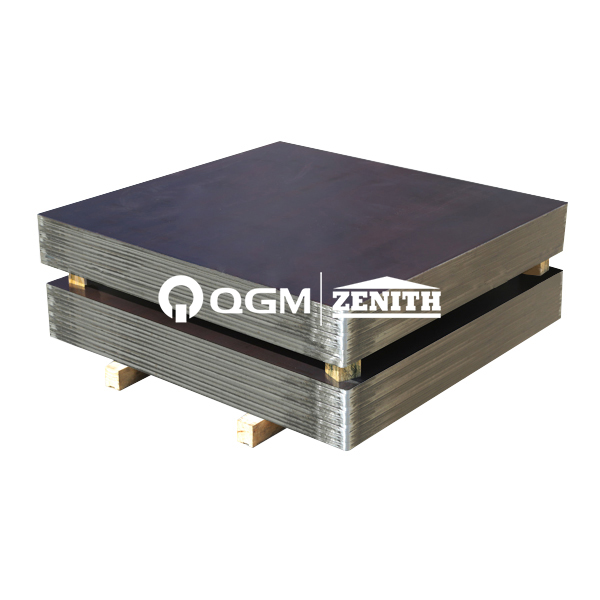
Brick Making Machine Pallet
QGM/Zenith is a professional Brick Making Machine Pallet manufacturer and supplier in China, you can rest assured to buy Brick Making Machine Pallet from our factory and we will offer you the best after-sale service and timely delivery.It is mainly used to store and transport bricks, tiles and other building materials during the brick making process.
Brick Manufacturing Machine Pallet
QGM/Zenith is a professional leader China Brick Manufacturing Machine Pallet manufacturer with high quality and reasonable price. Welcome to contact us.Pallets are mainly used to place and fix bricks, ensuring the stability and neat arrangement of bricks during the production process.
Solid Wood Brick Machine Pallet
With years of experience in production Solid Wood Brick Machine Pallet, QGM/Zenith can supply a wide range of Solid Wood Brick Machine Pallet. High quality product can meet many applications, if you need, please get our online timely service about product. In addition to the product list below, you can also customize your own unique product according to your specific needs.
Multipurpose Block Machine Board
Welcome to buy Multipurpose Block Machine Board from our factory at any time. We will provide you with factory discount prices for our products. QGM/Zenith is Multipurpose Block Machine Board manufacturer and supplier in China. Multipurpose Block Machine Board is an auxiliary equipment used to hold up brick embryos during the production process of brick machines, and is widely used in concrete block production lines.
Block Machinery Pallet
High quality Block Machinery Pallet is offered by China manufacturer QGM/Zenith. It is usually made of steel and wood. It has a rectangular shape and consists of four steel pipes and four wooden boards. It has a stable structure and strong carrying capacity.
Quick-Change Block Machine Pallet
QGM/Zenith invites you to visit our factory to purchase the high-quality Quick-Change Block Machine Pallet. We are looking forward to working with you. The main materials of the block machine pallet include steel and wood. Steel provides structural support, while wood increases the load-bearing capacity and stability.
- Related Blog
- Reviews