- English
- Español
- Português
- русский
- Français
- 日本語
- Deutsch
- tiếng Việt
- Italiano
- Nederlands
- ภาษาไทย
- Polski
- 한국어
- Svenska
- magyar
- Malay
- বাংলা ভাষার
- Dansk
- Suomi
- हिन्दी
- Pilipino
- Türkçe
- Gaeilge
- العربية
- Indonesia
- Norsk
- تمل
- český
- ελληνικά
- український
- Javanese
- فارسی
- தமிழ்
- తెలుగు
- नेपाली
- Burmese
- български
- ລາວ
- Latine
- Қазақша
- Euskal
- Azərbaycan
- Slovenský jazyk
- Македонски
- Lietuvos
- Eesti Keel
- Română
- Slovenski
- मराठी
- Srpski језик
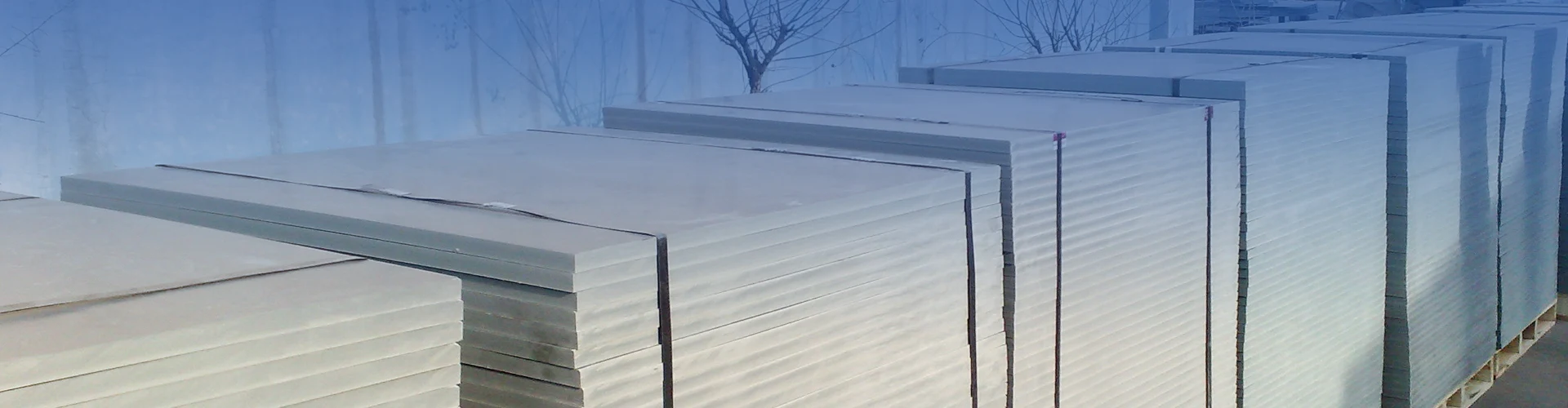
China Block Moulding Machine Manufacturer, Supplier, Factory
The Block Moulding Machine is a core piece of equipment in modern concrete production, designed to shape and compact concrete mixtures into high-density, precisely dimensioned blocks. Unlike simpler forming equipment, our Block Moulding Machine integrates advanced hydraulic systems, programmable logic control, and high-frequency vibration to deliver consistent product quality at production volumes that meet the demands of commercial construction. Whether producing standard building bricks, hollow blocks, or specialized paving stones, this machine provides the foundation for efficient, reliable block manufacturing operations.
Molding Technology
The Block Moulding Machine employs a hydraulic-vibration synchronous forming system that achieves optimal material consolidation through coordinated pressure and vibration. The process involves three key compaction stages:
• Table vibration: Vibration energy is transmitted from the vibrating table through the pallet to the concrete mixture, initiating particle rearrangement and initial consolidation.
• Pressure vibration: The pressure head of the mold descends onto the top surface of the concrete while vibration continues simultaneously, applying compressive force during the vibration cycle.
• Feed vibration: A small vibration cycle occurs as the material feeding car delivers the mixture into the mold, ensuring uniform material distribution before the main compaction cycle.
This three-stage approach produces blocks with consistent density and strength characteristics, minimizing voids and achieving compressive strengths suitable for structural applications. The machine's integrated vibration and molding platform design reduces overall weight while improving vibration efficiency.
Specifications & Production Capacity
The Block Moulding Machine is available in configurations to match production volume requirements. The following table provides specifications for the ZS-QT6-15 model as a reference:
| Parameter | Specification |
| Overall Dimensions (mm) | 3100 × 2100 × 2700 |
| Molding Cycle | 15–18 seconds |
| Total Power (KW) | 40.5 |
| Molding Area (mm) | 900 × 800 |
| Molding Height Range (mm) | 40–230 |
| Pallet Size (mm) | 850 × 680 × 25 |
| Machine Weight (T) | 8.5 |
| Vibration Frequency (RPM) | 4500 |
| Rated Pressure (MPa) | 32 |
| Exciting Force (KN) | 70–80 |
Production output varies by product type. The following theoretical production capacities are based on the standard 15–18 second molding cycle:
| Product Type | Dimensions (mm) | Pieces per Cycle | Pieces per 8-Hour Shift |
| Standard Brick | 240 × 115 × 53 | 30 | 57,600 |
| Hollow Block | 390 × 190 × 190 | 6 | 11,520 |
| Multi-hole Brick | 240 × 115 × 90 | 15 | 28,800 |
| Pathway Brick | 200 × 100 × 60 | 21 | 27,552 |
The Quick-Change Pallet System
Central to the Block Moulding Machine's operational efficiency is the Quick-Change Block Machine Pallet—a purpose-designed component that significantly reduces changeover time between production runs. The pallet serves as the forming surface upon which blocks are molded and transported.
The Quick-Change design enables users to complete a pallet change in minutes, allowing the equipment to adapt to produce blocks of different specifications without extended downtime. This capability is particularly valuable for manufacturers who serve diverse customer requirements or operate in markets where product specifications vary frequently.
Key characteristics of the pallet system include:
• Smooth surface: Reduces product adherence to pallets and provides an even surface for better concrete product exterior.
• Perfect flatness: Perfectly flat pallets allow production of crack-free concrete products.
• Elimination of residual internal stress: A 4-step leveling process prevents heating stress and transformation stress that can cause damage to the machine, mold, and concrete products.
• Superior vibration transmission: Thin, flat, and strong pallets guarantee optimal vibration transmissibility, producing stronger concrete products.
• Special surface treatment: Chemical treatment in the final production stage prevents residue build-up over time.
The pallet also offers customization options in size, color, and material to match specific user requirements.
Control System & Automation
The Block Moulding Machine integrates a Japan Mitsubishi PLC control system with a Delta Touch Screen interface, providing comprehensive production management capabilities:
• Visualization screen: Intuitive operation with a graphical interface that allows operators to set up, update, and amend production parameters to maximize output.
• Dynamic system status display: Real-time monitoring of system status with automatic troubleshooting and warning notices.
• Automatic locking function: Prevents mechanical accidents caused by operational mistakes.
The hydraulic system employs high-dynamic proportional and directional valves that automatically adjust oil flow and pressure based on specific working requirements, buffering the hydraulic cylinder during operation. The system uses integrated high-pressure and soft oil pipes for simplified installation.
Feeding & Compaction Systems
The Block Moulding Machine incorporates several design features that enhance material handling and compaction efficiency:
• Multi-shaft rotating and compulsory feeding: This system significantly improves block density and intensity while reducing feeding time.
• Double-line aero vibration-proof system: Reduces vibration force transmitted to mechanical parts, improving machine service life and reducing noise.
• Heavy-duty machine frame: Constructed from high-intensity steel with advanced heat treatment, providing wear resistance and structural integrity.
Competitive Benchmark — Block Moulding Machine Comparison
The following comparison evaluates our Block Moulding Machine against common alternatives in the concrete forming equipment market:
| Parameter | Our Block Moulding Machine | Manual Block Machine | Basic Semi-Automatic | Imported Premium System |
|---|---|---|---|---|
| Molding Cycle (seconds) | 15–18 | 40–60 | 20–30 | 12–15 |
| PLC Control System | Mitsubishi with touch screen | None | Basic | Advanced |
| Vibration Frequency (RPM) | 4,500 | N/A | 3,000–4,000 | 4,500–5,000 |
| Exciting Force (KN) | 70–80 | N/A | 40–60 | 80–120 |
| Rated Pressure (MPa) | 32 | 10–15 | 20–25 | 32–40 |
| Pallet Quick-Change System | Integrated | No | Optional | Integrated |
| Daily Output (standard bricks) | 57,600 | 5,000–10,000 | 25,000–35,000 | 60,000–80,000 |
| Initial Investment (USD) | $85,000–$150,000 | $15,000–$30,000 | $50,000–$80,000 | $250,000–$500,000 |
| 5-Year Total Cost of Ownership | $195,000–$265,000 | $220,000–$300,000 | $210,000–$280,000 | $480,000–$720,000 |
Position Statement: Our Block Moulding Machine delivers premium performance at a mid-range investment, offering superior output capacity and automation features while maintaining cost efficiency. The integrated quick-change pallet system provides a practical advantage that reduces changeover time and increases production flexibility.
Frequently Asked Questions
Q1: What raw materials can the Block Moulding Machine process?
The machine processes a wide range of materials including crushed stone, sand, cement, fly ash, cinder, slag, and other industrial wastes. This broad compatibility enables manufacturers to optimize formulations based on local material availability and cost.
Q2: Can the machine produce both solid and hollow products?
Yes. By changing molds, the machine can produce solid bricks, hollow blocks, multi-hole bricks, paving stones, and curb stones. The quick-change pallet system complements this flexibility by enabling rapid changeover between product types.
Q3: How does the quick-change pallet system work?
The pallet system is designed for rapid replacement, allowing users to change pallets in minutes. This enables the equipment to adapt to different block specifications without extended downtime, greatly improving production efficiency and saving production costs and time.
Q4: What is the expected product strength?
The machine produces blocks with compressive strengths meeting international standards for concrete masonry units. The combination of high-pressure hydraulic forming and high-frequency vibration ensures optimal material consolidation and consistent product quality.
Q5: What are the power requirements?
The ZS-QT6-15 model requires 40.5KW total power. All models operate on standard industrial three-phase power. Electrical specifications can be customized for different regional requirements.
Related Products


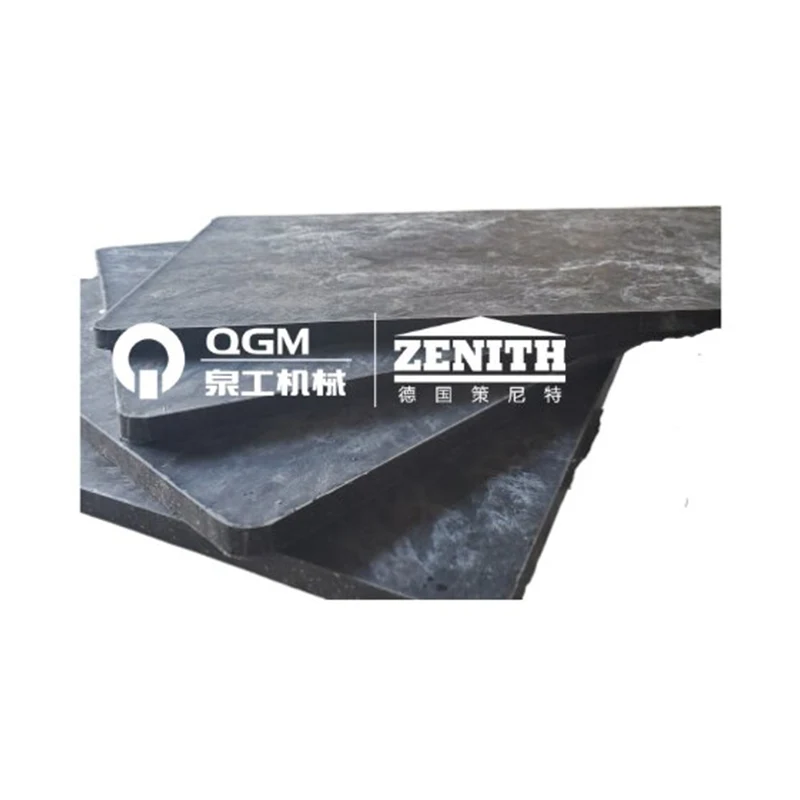


Hot Products

Unburned Brick Machine Pallet
You can rest assured to buy Unburned Brick Machine Pallet from QGM/Zenith. We look forward to cooperating with you, if you want to know more, you can consult us now, we will reply to you in time! The unburned brick machine pallet plays a vital role in the production process of the unburned brick machine, ensuring that the brick embryo will not be damaged during transportation and handling.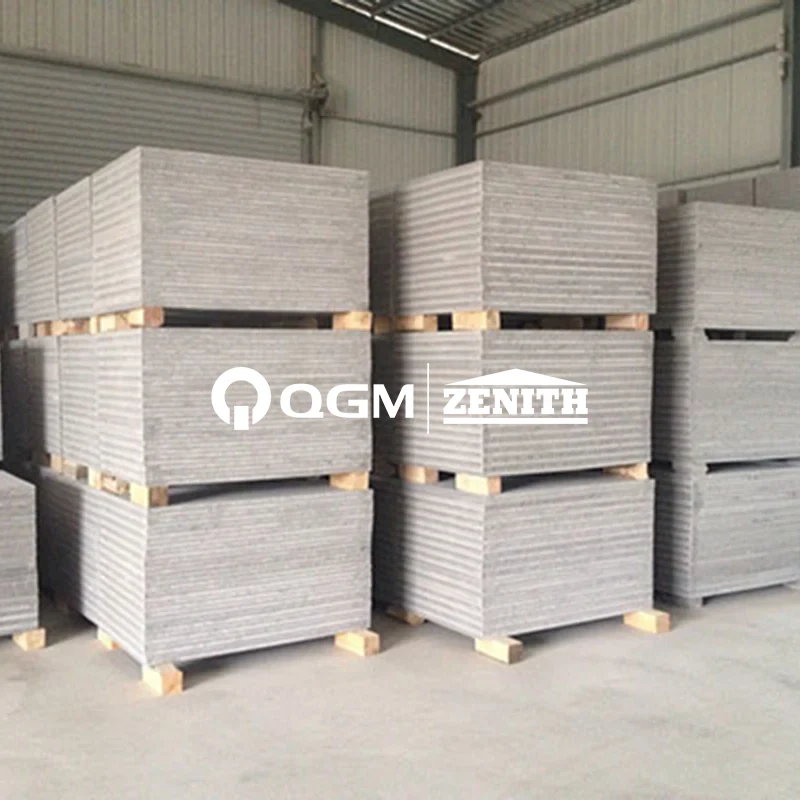
Automatic Hydraulic Brick Pallet
QGM/Zenith is China manufacturer & supplier who mainly produces Automatic Hydraulic Brick Pallet with many years of experience. Hope to build business relationship with you. It uses the pressure generated by the hydraulic cylinder to press the brick blank.
High-Capacity Block Machine Board
QGM/Zenith is High-Capacity Block Machine Board manufacturer and supplier in China, we can provide professional service.The advantage of High-Capacity Block Machine Board is that it can significantly reduce the production cost of bricks, solve the problem of traditional pallets being easily damaged, and at the same time improve production efficiency and product quality.
Interlocking Brick Machine Board
Welcome to buy Interlocking Brick Machine Board from QGM/Zenith. Every request from customers is being replied within 24 hours. It is mainly used to hold up the brick embryo, assist in the transportation and molding of the brick embryo, and is an indispensable part of the brick production line.
Concrete Paver Board
One of the Chinese companies offering Concrete Paver Board for buy is QGM/Zenith. For you, we can offer better pricing and competent service. Should you be intrigued by Concrete Paver Board, kindly get in touch with us. We adhere to the standard of conscience-driven, committed service at the cost of quality assurance.OneWe adhere to the standard of conscience-priced, devoted service, so you can feel secure.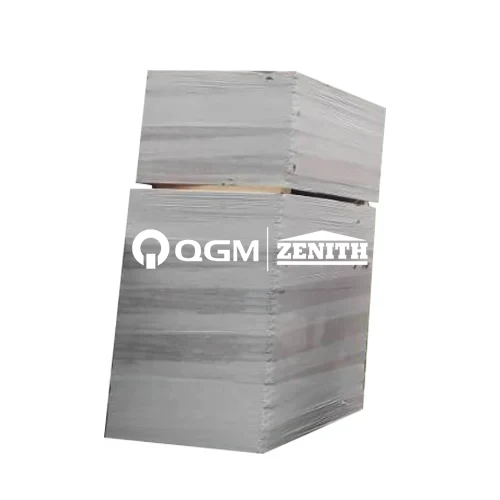
High Strength Concrete Brick Pallet
QGM/Zenith is one of China manufacturer & supplier who mainly produces High Strength Concrete Brick Pallet with many years of experience. Hope to build business relationship with you. It is usually composed of a steel frame and a reinforced steel plate. It has a high load-bearing capacity and good mechanical properties, and can effectively protect bricks from damage during transportation.
- Related Blog
- Reviews