- English
- Español
- Português
- русский
- Français
- 日本語
- Deutsch
- tiếng Việt
- Italiano
- Nederlands
- ภาษาไทย
- Polski
- 한국어
- Svenska
- magyar
- Malay
- বাংলা ভাষার
- Dansk
- Suomi
- हिन्दी
- Pilipino
- Türkçe
- Gaeilge
- العربية
- Indonesia
- Norsk
- تمل
- český
- ελληνικά
- український
- Javanese
- فارسی
- தமிழ்
- తెలుగు
- नेपाली
- Burmese
- български
- ລາວ
- Latine
- Қазақша
- Euskal
- Azərbaycan
- Slovenský jazyk
- Македонски
- Lietuvos
- Eesti Keel
- Română
- Slovenski
- मराठी
- Srpski језик
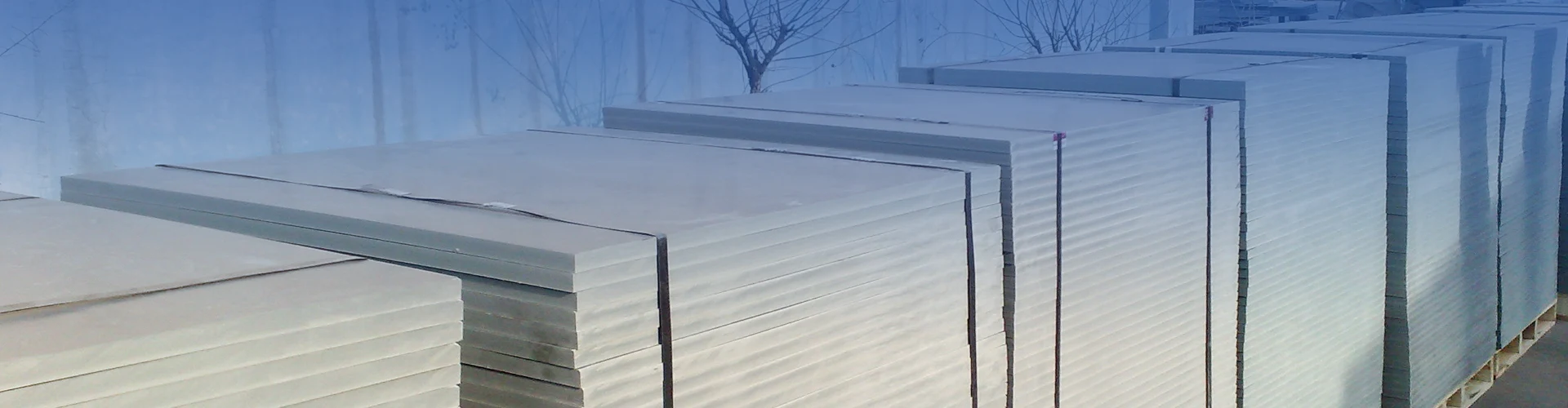
China Brick Manufacturing Machine Manufacturer, Supplier, Factory
Our Brick Manufacturing Machine pallets are engineered from high-strength composite materials, delivering an optimal balance of durability and operational efficiency for modern concrete block production. Designed to serve as the foundational base for mold setups in lightweight brick manufacturing, these pallets ensure consistent product quality while significantly reducing manual handling demands. Whether producing standard lightweight blocks or specialized masonry products, our pallet system integrates seamlessly into your production line to enhance output and minimize downtime.
Key Pallet Features & Advantages
Our pallets are manufactured to exacting standards, providing distinct operational and cost benefits over traditional steel, wood, or plastic alternatives. Key advantages include:
• High Durability & Longevity: Constructed from advanced GMT (Glass Mat Thermoplastic) composites, these pallets resist cracking, warping, and degradation from continuous industrial use, offering a significantly extended service life compared to wooden pallets.
• Lightweight & Easy Handling: With a density approximately 60-70% of traditional PVC pallets and significantly lighter than steel, our pallets reduce labor strain during installation and transport, improving overall workflow efficiency.
• Superior Corrosion & Moisture Resistance: Unlike steel pallets prone to rust, our composite material is impervious to moisture and chemicals commonly found in concrete production. This ensures dimensional stability and prevents product defects caused by pallet degradation.
• Cost-Effective & Sustainable: The long lifespan and minimal maintenance requirements reduce long-term operational costs. Furthermore, GMT pallets are fully recyclable, offering an environmentally responsible solution with end-of-life scrap value, aligning with global sustainability goals.
Technical Specifications & Customization
Our Brick Manufacturing Machine pallets are produced using precision manufacturing processes to meet the rigorous demands of high-speed block making machines. The table below outlines key specifications:
| Parameter | Specification / Advantage |
| Material | GMT (Glass Fiber Mat Reinforced Thermoplastic) / High-strength Composite |
| Weight | Up to 62% lighter than steel alternatives (approx. 15-16 kg for standard sizes) |
| Bending Strength | ≥ 60 N/mm², ensuring rigidity under heavy loads |
| Impact Strength | ≥ 60 KJ/m², resistant to damage from drops and vibration |
| Thickness | Customizable from 15mm to 50mm based on production requirements |
| Customization | Length, width, thickness, and material composition tailored to your specific block machine model |
Characteristic Comparison
| Parameter | GMT Composite Pallet Performance |
| Durability | Excellent - Resists cracking, warping, and moisture damage; outlasts wood |
| Weight | Ultra-lightweight; reduces operator fatigue and shipping costs |
| Corrosion Resistance | Superior - Impervious to moisture and alkaline cement mixtures |
| Maintenance | Minimal - No rust removal or sealing required; easy to clean |
| Environmental Impact | Fully recyclable; reduces landfill waste and supports circular economy |
| Dimensional Stability | High - Maintains flatness under varying temperature and humidity |
| End-of-life value | Partial cost recovery via scrap material recycling |
Competitive Advantages Over Industry Alternatives
When selecting pallets for lightweight block production, manufacturers often face trade-offs between cost, performance, and longevity. The table below demonstrates how our GMT composite pallets outperform the three main alternatives currently available in the market:
| Comparison Factor | Our GMT Composite Pallet | Steel Pallet | Wood Pallet | Ordinary Plastic Pallet |
|---|---|---|---|---|
| Weight (per standard unit) | ~15–16 kg (ultra-light) | ~35–45 kg (heavy, labor-intensive) | ~18–22 kg (moderate, but prone to moisture gain) | ~20–25 kg (heavier than GMT) |
| Service Life (cycles) | 8,000–12,000 cycles | 5,000–8,000 cycles (rust and weld failure) | 1,500–3,000 cycles (splits, absorbs moisture) | 3,000–5,000 cycles (becomes brittle over time) |
| Moisture / Chemical Resistance | Excellent (impervious to cement alkali) | Poor (rusts and requires regular coating) | Poor (absorbs water, swells, rots) | Moderate (may degrade with UV and chemicals) |
| Dimensional Stability | High (±0.5 mm over lifetime) | Moderate (warping from residual stress) | Low (expands/contracts with humidity) | Moderate (creep under heavy loads) |
| Vibration Transmission | Optimized (composite damping + rigidity) | High but causes mold wear | Low (absorbs vibration, reducing compaction) | Low (flexes, wastes vibration energy) |
| Maintenance Cost | Very low (wipe clean only) | High (descaling, anti-rust painting) | High (sanding, sealing, replacement) | Moderate (cleaning and replacement) |
| End-of-life Scrap Value | Recyclable, partial material recovery | High (steel scrap value) | Low (often burned or landfilled) | Low (limited recycling infrastructure) |
| Total Cost of Ownership (over 5 years) | Lowest (long life + low maintenance) | High (frequent coating + replacement labor) | Very high (constant replacement) | Moderate (shorter lifespan) |
Real-World Application: Success in High-Volume Production
Beyond specifications, our Brick Manufacturing Machine pallets have proven their value in diverse production environments. One of our clients, a major lightweight block manufacturer in Southeast Asia, switched from traditional steel pallets to our GMT composite pallets across 6 production lines. The results after 18 months of continuous operation were remarkable:
• Labor savings: Pallet handling time reduced by 40% due to the 60% weight reduction, allowing operators to manage more pallets per shift with less fatigue.
• Product quality improvement: The consistent flatness and superior vibration transmission of our pallets increased block compression strength by an average of 12%, reducing breakage during demolding and stacking.
• Maintenance downtime: Zero pallet-related repairs were required during the trial period, whereas steel pallets previously demanded weekly rust removal and monthly straightening.
• Environmental compliance: The client achieved their waste reduction targets by eliminating the disposal of warped steel pallets and reducing the use of anti-rust chemicals.
This real-world case demonstrates that our pallets are not just a component replacement — they are a strategic upgrade that directly impacts production efficiency, product quality, and operational sustainability.
Frequently Asked Questions (FAQ)
Q1: Are these pallets compatible with all types of Brick Manufacturing Machine?
A: Yes, our pallets are fully customizable in terms of length, width, thickness, and hole patterns. We work with you to match the exact dimensions and mounting requirements of your specific machine model, whether it's from QT, Lontto, Bess, or other major brands.
Q2: How do GMT composite pallets perform under high-temperature curing conditions?
A: GMT materials are thermally stable up to 120°C continuously and can withstand short-term exposure up to 150°C without deformation. This makes them suitable for steam curing processes commonly used in lightweight block production.
Q3: What is the typical lifespan of one pallet in daily production?
A: Under normal operating conditions (8-10 hours per day, 5-6 days per week), our pallets typically last between 8,000 and 12,000 production cycles — approximately 3-5 years — before showing signs of wear. This is significantly longer than wood (1-2 years) and comparable to premium steel pallets without the associated maintenance burden.
Q4: Can these pallets be repaired if damaged?
A: Minor surface scratches or residue buildup can be easily cleaned or sanded. For structural damage, while uncommon, we offer a repair service or replacement at a reduced cost. The recyclable nature of the material also allows damaged units to be reprocessed into new pallets.
Advantages for Buyers
Choosing our Brick Manufacturing Machine pallets provides a strategic advantage for your production facility:
• Enhanced Product Quality: A stable, flat platform ensures consistent block dimensions and superior surface finish, reducing defects.
• Improved Operational Efficiency: Lightweight design accelerates handling cycles and reduces labor costs, while durability minimizes production interruptions for pallet replacement.
• Lower Total Cost of Ownership: The combination of long service life, low maintenance, and scrap value delivers superior economic value compared to traditional pallet materials.
• Future-Ready Sustainability: With increasing regulatory pressure on industrial waste, our fully recyclable pallets position your business as an environmentally responsible manufacturer.
Related Products


Hot Products

Unburned Brick Machine Pallet
You can rest assured to buy Unburned Brick Machine Pallet from QGM/Zenith. We look forward to cooperating with you, if you want to know more, you can consult us now, we will reply to you in time! The unburned brick machine pallet plays a vital role in the production process of the unburned brick machine, ensuring that the brick embryo will not be damaged during transportation and handling.
Recycled Material Brick Board
QGM/Zenith is a professional Recycled Material Brick Boardmanufacturer and supplier in China. Recycled Material Brick Board is an auxiliary equipment used to hold up the brick embryo in the production process of the brick machine. If you interested in products, please contact with us. We follow the quality of rest assured that the price of conscience, dedicated service.
Multipurpose Block Machine Board
Welcome to buy Multipurpose Block Machine Board from our factory at any time. We will provide you with factory discount prices for our products. QGM/Zenith is Multipurpose Block Machine Board manufacturer and supplier in China. Multipurpose Block Machine Board is an auxiliary equipment used to hold up brick embryos during the production process of brick machines, and is widely used in concrete block production lines.
Hollow Block Machinery Pallet
Being a proficient manufacturer, QGM/Zenith aims to offer you top-notch Hollow Block Machinery Pallet. We promise to provide you with the best after-sale support and prompt delivery. Its main function is to protect the blocks from damage during production and transportation, while facilitating stacking and handling. Hollow Block Machinery Pallet is usually made of wood or plastic.
Cement Block Molding Machine Pallet
The producers of QGM/Zenith in China offer high-quality products, you are welcome to purchase straight high-quality Cement Block Molding Machine Pallet at a good price. It is mainly used to carry and fix cement blocks to ensure their stability and accuracy during the forming process.
Block Machinery Pallet
High quality Block Machinery Pallet is offered by China manufacturer QGM/Zenith. It is usually made of steel and wood. It has a rectangular shape and consists of four steel pipes and four wooden boards. It has a stable structure and strong carrying capacity.
- Related Blog
- Reviews