- English
- Español
- Português
- русский
- Français
- 日本語
- Deutsch
- tiếng Việt
- Italiano
- Nederlands
- ภาษาไทย
- Polski
- 한국어
- Svenska
- magyar
- Malay
- বাংলা ভাষার
- Dansk
- Suomi
- हिन्दी
- Pilipino
- Türkçe
- Gaeilge
- العربية
- Indonesia
- Norsk
- تمل
- český
- ελληνικά
- український
- Javanese
- فارسی
- தமிழ்
- తెలుగు
- नेपाली
- Burmese
- български
- ລາວ
- Latine
- Қазақша
- Euskal
- Azərbaycan
- Slovenský jazyk
- Македонски
- Lietuvos
- Eesti Keel
- Română
- Slovenski
- मराठी
- Srpski језик
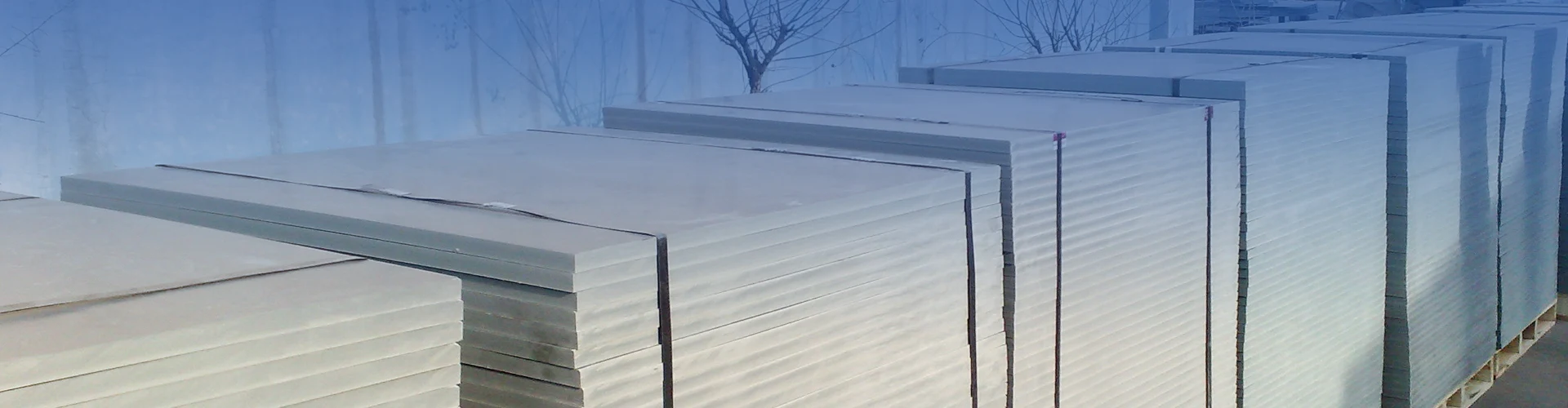
AAC block machine
AAC Block Machine
The AAC Block Machine is a specialized industrial system for manufacturing Autoclaved Aerated Concrete (AAC) blocks—a lightweight, porous building material that combines structural performance with exceptional thermal insulation. Unlike conventional concrete block production, AAC manufacturing involves a chemical aeration process that creates millions of microscopic air cells within the material, resulting in a product that is approximately one-fifth the weight of traditional concrete while offering superior fire resistance, sound insulation, and thermal efficiency. Our AAC Block Machine provides a complete production solution from raw material handling to finished block packaging, engineered for consistent quality and operational reliability.
The AAC Production Process: From Raw Materials to Finished Blocks
The AAC Block Machine operates through a sequence of process stages that transform siliceous and calcareous materials into finished aerated concrete products. The raw materials—typically fly ash or sand (55–65%), cement (10–20%), lime (18–30%), gypsum (2–5%), and aluminum powder paste as a gas-forming agent—are processed through the following stages:
• Raw material preparation: Siliceous materials such as fly ash, sand, or slag are milled to the required fineness (200 mesh). Calcareous materials (lime and cement) are stored in silos and metered into the mix.
• Batching and mixing: Materials are precisely weighed and combined with water in a high-shear mixer. The slurry temperature is raised to 40–50°C using steam, and aluminum powder is added with 30–40 seconds of mixing to initiate the aeration reaction.
• Pouring and pre-curing: The aerated slurry is poured into molds and transferred to a pre-curing chamber where it rests for 2–2.5 hours. During this period, the aluminum powder reacts with the alkaline slurry to release hydrogen gas, creating a cellular structure that expands the material to its final volume.
• Cutting: Once the material reaches cutting strength, the mold is removed and the cake is cut into blocks of specified dimensions using wire cutting machines.
• Autoclave curing: Cut blocks are loaded onto steam carts and transferred into autoclaves for high-temperature, high-pressure curing. The autoclave cycle—including vacuum, pressure rise, pressure hold at 1.2 MPa, and pressure reduction—typically requires approximately 8 hours.
The entire production process from mixing to finished product takes approximately 12 hours, with the autoclave stage being the most critical for achieving the material's final strength and durability.
Core Equipment Components
The AAC Block Machine comprises an integrated equipment suite covering each stage of the production process:
| Equipment Section | Key Components | Function |
| Raw Material Handling | Jaw crusher, belt conveyor, bucket elevator, roller screen, ball mill (wet/dry), dust remover | Crushing, screening, and milling of siliceous materials to required fineness |
| Batching & Mixing | Batching machine, slurry tank, lime/cement silos, screw conveyor, scale systems | Precise weighing and mixing of raw materials to formulation specifications |
| Pouring & Molding | Pouring mixer, mold cars, side plates, ferry cart | Controlled pouring of aerated slurry into molds and transport through pre-curing |
| Cutting System | Vertical cutting machine, horizontal cutting machine, tilting crane | Precision cutting of cured cake into finished block dimensions |
| Autoclave System | Autoclave vessels, steam boiler, steam carts, crane after autoclave | High-temperature, high-pressure curing to achieve final material properties |
| Finished Product Handling | Product crane, packaging system | Unloading, stacking, and packaging of finished blocks |
The autoclave is the most critical component of the AAC production line. It is a pressure vessel constructed from steel with a cover made from pressed 16MnR steel board. The flanges are forged and machined from 16Mn steel, with welded components subjected to heat treatment and strict non-destructive testing.
Production Capacity Configurations
AAC Block Machines are available in multiple capacity configurations to match production requirements. The following table provides typical capacity specifications for different production scales:
| Annual Capacity (m³/year) | Power (KW) | Daily Capacity (m³/day) | Cycle Time (hours) | Number of Autoclaves | Plant Area (m²) |
| 50,000 | 400 | 166 | 8 | 2 | 2,000 |
| 100,000 | 500 | 333 | 8 | 4 | 2,000 |
| 150,000 | 630 | 500 | 8 | 6 | 2,500 |
| 200,000 | 720 | 666 | 8 | 8 | 3,000 |
| 300,000 | 1,186 | 1,000 | 8 | 6 (D2.85×32.5) | 3,500 |
The standard AAC block dimensions are 600mm in length, with widths available in 75, 100, 125, 150, 175, 200, and 250mm, and heights of 200, 240, 250, and 300mm. Custom dimensions can also be produced.
AAC Block Properties & Performance Advantages
AAC blocks produced by the AAC Block Machine offer a range of performance characteristics that distinguish them from conventional concrete masonry units:
• Lightweight: With a porosity of 70–85% and volume density of 300–900 kg/m³, AAC blocks are approximately one-fifth the weight of conventional concrete, one-quarter the weight of clay bricks, and one-third the weight of hollow concrete blocks. The material can actually float in water.
• Thermal insulation: Thermal conductivity ranges from 0.10 to 0.20 W/(m·K)—approximately one-quarter to one-fifth that of traditional brick. A 20cm thick AAC wall provides insulation equivalent to a 49cm thick conventional brick wall.
• Fire resistance: AAC is composed primarily of inorganic materials and does not emit harmful gases when exposed to fire. A 90mm thick AAC wall achieves 245 minutes of fire resistance; a 300mm thick wall achieves 520 minutes.
• Sound insulation: The porous structure provides excellent sound absorption, with a 10mm thick AAC wall achieving up to 41 dB sound reduction.
• Compressive strength: AAC blocks achieve compressive strengths of 3.5–10.0 MPa, suitable for load-bearing and non-load-bearing applications.
These properties translate into significant construction benefits: reduced structural steel requirements (up to 27%) and cement savings (up to 20%) due to the reduced dead weight of buildings.
Competitive Benchmark — AAC Block Machine Comparison
The following comparison evaluates AAC Block Machines against conventional concrete block production systems:
| Parameter | AAC Block Machine | Conventional Block Machine |
|---|---|---|
| Product Density | 300–900 kg/m³ (lightweight) | 1,800–2,400 kg/m³ |
| Thermal Conductivity | 0.10–0.20 W/(m·K) | 0.80–1.20 W/(m·K) |
| Fire Resistance (90mm wall) | 245 minutes | ~60–90 minutes |
| Production Process | Chemical aeration + autoclave curing | Mechanical compaction + ambient curing |
| Block Size Range | Up to 600 × 250 × 300 mm (large format) | Typically smaller (e.g., 400 × 200 × 200 mm) |
| Material Savings in Construction | Steel: −27%, Cement: −20% | Baseline |
| Investment Scale | Higher (complete plant required) | Lower (standalone machine) |
| Typical Annual Capacity Range | 50,000–300,000 m³ | 10,000–100,000 m³ (equivalent block volume) |
Key Differentiator: AAC Block Machines enable the production of a fundamentally different product category—lightweight, insulating, fire-resistant masonry units that offer construction cost savings through reduced structural requirements. The investment is higher than conventional block machines, but the product commands premium pricing and addresses growing market demand for energy-efficient building materials.
Frequently Asked Questions
Q1: What is the difference between AAC blocks and conventional concrete blocks?
AAC blocks are manufactured through a chemical aeration process that creates a cellular structure with 70–85% porosity. This makes them significantly lighter (300–900 kg/m³ versus 1,800–2,400 kg/m³), provides superior thermal insulation (0.10–0.20 W/m·K versus 0.80–1.20 W/m·K), and offers better fire resistance compared to conventional concrete blocks.
Q2: What raw materials are required for AAC block production?
The primary raw materials are siliceous materials (fly ash, sand, or slag at 55–65%), cement (10–20%), lime (18–30%), gypsum (2–5%), and aluminum powder paste as the gas-forming agent. Water is added to achieve the required slurry consistency.
Q3: What is the typical production capacity of an AAC Block Machine?
AAC Block Machines are available in capacities ranging from 50,000 m³ per year to 300,000 m³ per year, with daily outputs from 166 m³ to 1,000 m³. The capacity depends on the number of autoclaves and the specific equipment configuration.
Q4: How long does the AAC production process take?
The complete production cycle from raw material batching to finished product takes approximately 12 hours. The autoclave curing stage alone requires about 8 hours, including vacuum, pressure rise, pressure hold at 1.2 MPa, and pressure reduction.
Q5: What are the standard block sizes produced by AAC Block Machines?
Standard AAC blocks are 600mm in length, with widths of 75, 100, 125, 150, 175, 200, and 250mm, and heights of 200, 240, 250, and 300mm. Custom dimensions can also be produced to meet specific project requirements.
Related Products


Hot Products

Multipurpose Block Machine Board
Welcome to buy Multipurpose Block Machine Board from our factory at any time. We will provide you with factory discount prices for our products. QGM/Zenith is Multipurpose Block Machine Board manufacturer and supplier in China. Multipurpose Block Machine Board is an auxiliary equipment used to hold up brick embryos during the production process of brick machines, and is widely used in concrete block production lines.
Quick-Change Block Machine Board
QGM/Zenith is one of the professional Quick-Change Block Machine Board manufacturer and supplier in China. Our products are CE certified and have in stock of factory, welcome to buy Quick-Change Block Machine Board from us. The main purpose of the block machine pallet is to carry and transfer bricks, ensuring that the bricks can be smoothly and evenly distributed after transportation and fixation to avoid dislocation or breakage.
Fly Ash Brick Machine Board
As a professional Fly Ash Brick Machine Board manufacturer, you can rest assured to buy Fly Ash Brick Machine Board from our factory and QGM/Zenith will offer you the best after-sale service and timely delivery. This material is not only environmentally friendly, but also effectively utilizes industrial waste fly ash.
Sustainable Building Brick Machine Pallets
Find a huge selection of Sustainable Building Brick Machine Pallets from China at QGM/Zenith. They are usually made of wood or plastic and have the characteristics of strong carrying capacity, ventilation and air permeability, and easy cleaning. Its main uses include protecting products, improving production efficiency and reducing labor costs.
Block Machines Pallet
You can purchase Block Machines Pallet from QGM/Zenith with confidence, as we are a proficient producer of high-quality Block Machines Pallet. We promise to provide you with the best after-sale service and prompt delivery. It is usually made of steel and wood. It has a rectangular shape and consists of four steel pipes and four wooden boards.
Quick-Change Block Machine Pallet
QGM/Zenith invites you to visit our factory to purchase the high-quality Quick-Change Block Machine Pallet. We are looking forward to working with you. The main materials of the block machine pallet include steel and wood. Steel provides structural support, while wood increases the load-bearing capacity and stability.
- Related Blog
- Reviews